There is a dynamic interaction between interventions to control and eradicate diseases caused by microbes (such as bacteria, viruses, fungi and parasites) and the vectors that often transmit them (such as mosquitoes, flies and snails). Over time, resistance to interventions can develop and reduce their effectiveness.
Antimicrobial resistance, resistance to antiparasitic diseases and insecticide resistance now all pose significant global threats. TDR supports multisectoral research to inform national action plans and strategies to prevent and combat resistance. We contribute to research that strengthens resilience through improved surveillance, better risk assessment, enhanced awareness and better understanding of underpinning human behaviour related to the spread of resistance.
Objective
To support multisectoral research that inform national action plans and strategies to prevent and combat resistance.

Disease focus
Antimicrobial resistance, drug-resistant tuberculosis.

Key activities
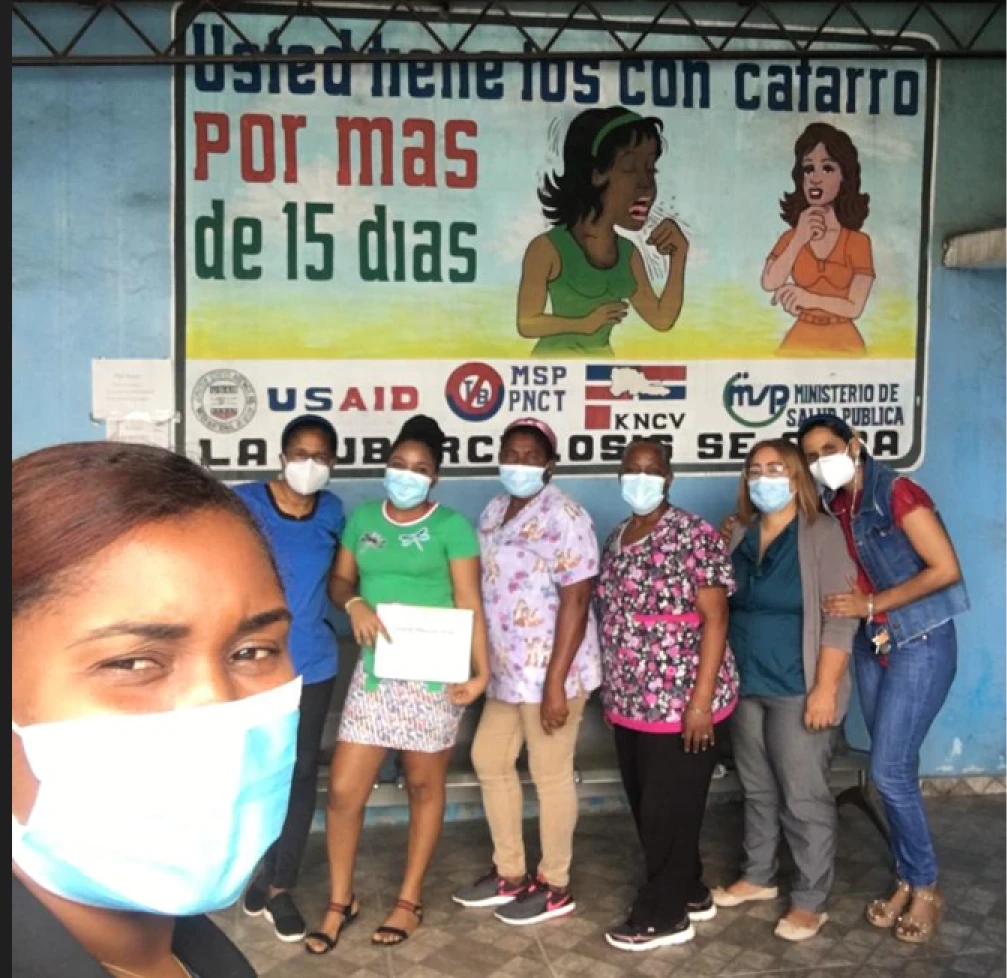
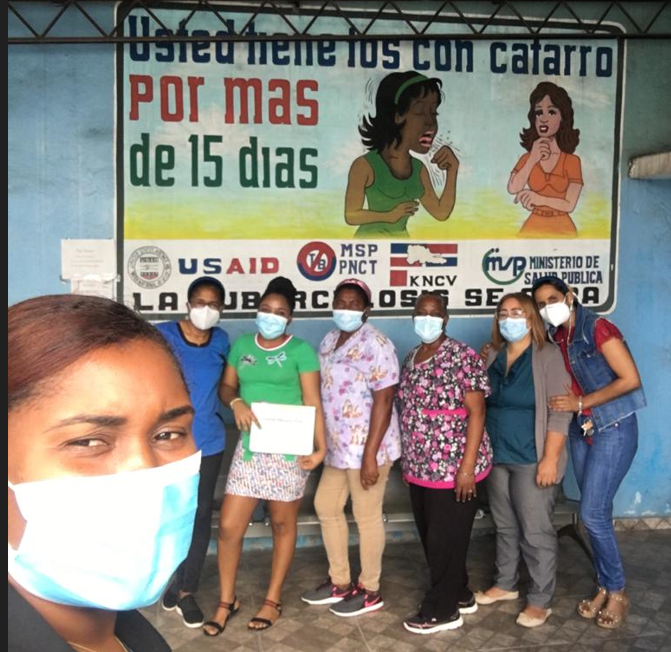
A 20-year-old patient diagnosed with Rifampicin-resistant TB receiving certification of “cured” after 9 months of all-oral treatment accompanied by health personnel from the specialized TB center, Santo Domingo, Dominican Republic.
Credit: Aline De Cima
RTCs trained
more than
individuals online
individuals in-person
TDR-supported studies on short, all-oral regimens for drug-resistant tuberculosis have shown high treatment success rates and prompted national policy changes in the Dominican Republic and Ecuador, who have integrated the novel regimens into routine care for drug-resistant TB patients.
TDR
World Health Organization
20 Avenue Appia
1211 Geneva 27
Switzerland
tdr@who.int
Visit our website: tdr.who.int
ISBN 978-92-4-010930-8 (electronic version)
ISBN 978-92-4-010931-5 (print version)
Some rights reserved. This work is available under the Creative Commons Attribution-NonCommercial-ShareAlike 3.0 IGO licence (CC BY-NC-SA 3.0 IGO; https://creativecommons.org/licenses/by-nc-sa/3.0/igo).
Under the terms of this licence, you may copy, redistribute and adapt the work for non-commercial purposes, provided the work is appropriately cited, as indicated below. In any use of this work, there should be no suggestion that the World Health Organization (WHO), including the UNICEF/UNDP/World Bank/WHO Special Programme for Research and Training in Tropical Diseases (TDR), endorses any specific organization, products or services. The use of WHO and TDR logos is not permitted. If you adapt the work, then you must license your work under the same or equivalent Creative Commons licence. If you create a translation of this work, you should add the following disclaimer along with the suggested citation: “This translation was not created by the World Health Organization (WHO) or by the UNICEF/UNDP/World Bank/WHO Special Programme for Research and Training in Tropical Diseases (TDR). WHO, including TDR is not responsible for the content or accuracy of this translation. The original English edition shall be the binding and authentic edition”.
Any mediation relating to disputes arising under the licence shall be conducted in accordance with the mediation rules of the World Intellectual Property Organization.
Suggested citation. TDR annual report 2024: building local research solutions to improve global health. Geneva: World Health Organization; 2025. Licence: CC BY-NC-SA 3.0 IGO.
Cataloguing-in-Publication (CIP) data. CIP data are available at https://iris.who.int/.
Sales, rights and licensing. To purchase WHO publications, see https://www.who.int/publications/book-orders. To submit requests for commercial use and queries on rights and licensing, see http://www.who.int/copyright.
Third-party materials. If you wish to reuse material from this work that is attributed to a third party, such as tables, figures or images, it is your responsibility to determine whether permission is needed for that reuse and to obtain permission from the copyright holder. The risk of claims resulting from infringement of any third-party- owned component in the work rests solely with the user.
General disclaimers. The designations employed and the presentation of the material in this publication do not imply the expression of any opinion whatsoever on the part of WHO, including TDR, concerning the legal status of any country, territory, city or area or of its authorities, or concerning the delimitation of its frontiers or boundaries. Dotted and dashed lines on maps represent approximate border lines for which there may not yet be full agreement.
The mention of specific companies or of certain manufacturers’ products does not imply that they are endorsed or recommended by WHO, including TDR, in preference to others of a similar nature that are not mentioned. Errors and omissions excepted, the names of proprietary products are distinguished by initial capital letters.
All reasonable precautions have been taken by WHO, including TDR, to verify the information contained in this publication. However, the published material is being distributed without warranty of any kind, either expressed or implied. The responsibility for the interpretation and use of the material lies with the reader. In no event shall WHO, including TDR, be liable for damages arising from its use.
Cover page photo. ©
Cover caption: Angel Michael (centre) delivers her child’s urine and stool sample to Ngw’ashi Dotto Haga (left), a community health care worker, as part of the baseline parasitological assessment study.
Credit: UNDP/Kumi Media
TDR-supported studies on short, all-oral regimens for drug-resistant tuberculosis have shown high treatment success rates and prompted national policy changes in the Dominican Republic and Ecuador, who have integrated the novel regimens into routine care for drug-resistant TB patients.
In collaboration with the WHO Global Tuberculosis Programme and technical partners, TDR has developed the ShORRT operational research package (Short, all-Oral Regimens for Rifampicin-resistant Tuberculosis) to support the implementation of such drug regimens.
Since 2019, the ShORRT initiative has involved and supported 27 countries worldwide, working alongside WHO regional and country offices, academia, technical partners such as KNCV Tuberculosis Foundation, the Union and Damien Foundation, and funding agencies such as the United States Agency for International Development (USAID) and The Global Fund to Fight AIDS, Tuberculosis, and Malaria.
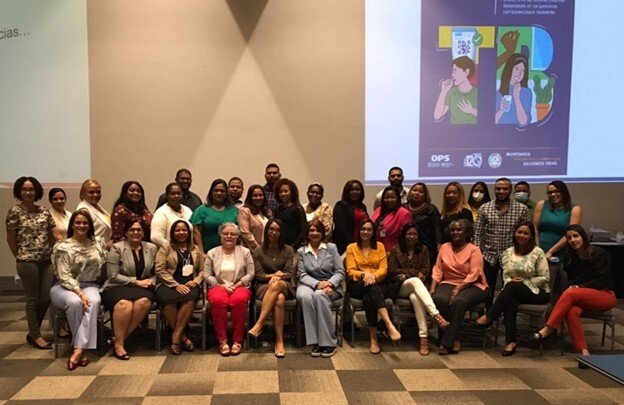
Dominican Republic team for ShORRT.
Credit: Maria Rodriguez
In the Region of the Americas, TDR, in collaboration with the Pan American Health Organization (PAHO), has been supporting the national TB control programmes (NTPs) of Colombia, Dominican Republic, Ecuador, Mexico and Nicaragua, which have used ShORRT to conduct operational research studies on the effectiveness and safety of the novel all-oral regimens for drug-resistant TB patients. In addition, studies in Colombia and the Dominican Republic assessed the impact of these drug regimens on the health-related quality of life of patients.
In the Dominican Republic, 113 patients with TB drug resistance were enrolled in seven drug-resistant TB clinics. Results of the study were published in BMC Infectious Diseases and showed that 79% of patients were successfully treated without relapse six months post-treatment. Due to the high success rate and satisfactory safety profile, the national TB control programme adopted this shorter treatment regimen lasting 9 to 12 months instead of 18 months for the standard regimen. Since September 2023, this short all-oral regimen is recommended for all patients with multidrug- and rifampicin-resistant TB in the Dominican Republic.
A 20-year-old patient diagnosed with RR-TB receiving certification of “cured” after 9 months of all oral treatment accompanied by health personnel from the specialized TB center, Santo Domingo, Dominican Republic.
Credit: Aline De Cima
In Ecuador, the study was conducted in 61 health units across three cantons in Ecuador’s Zone 8: Guayaquil, Durán, and Samborondón. Between February 2020 and December 2022, 164 patients with multidrug-resistant or rifampicin-resistant TB were enrolled. The all-oral shorter regimen demonstrated an effectiveness of 74% compared with 42% for the standard regimen, with improved adherence and reduced loss to follow-up during the treatment. The insights gained from this study, combined with experiences from other countries in the region and WHO recommendations, have led Ecuadorian national authorities to adopt the all-oral 9-month short regimen evaluated in this study, along with the BpaL (bedaquiline + pretomanid + linezolid) regimens, as part of their national health policy.
“These two studies represent notable examples of how operational research led by national disease programmes can inform and drive national policy decisions,” said Dr Corinne Merle, who manages the ShoRRT initiative at TDR.
For more information, please contact Dr Corinne Merle.