Addressing global health challenges

1. Control and elimination of diseases of poverty

Tuberculosis (TB), malaria and neglected tropical diseases (NTDs) disproportionally affect the poorest and most vulnerable. TDR supports research that leads to integrated, holistic approaches to elimination – reducing the burden of disease and building resilient health systems.

We support work that crosses the disciplines of human, animal and environmental health and promote the importance of applying an intersectional gender lens to infectious disease research.

Objective
To support research on strategies to control and sustain elimination of diseases of poverty.

Disease focus
Neglected tropical diseases, malaria, tuberculosis.

Key activities

  • Facilitating implementation and delivery of new treatments, innovative strategies and other interventions to address diseases of poverty through implementation research.
  • Supporting efforts to prevent and control diseases of poverty through a multisectoral, One Health approach.
  • Supporting researchers, health professionals and other stakeholders to expand their capacity to conduct and manage implementation research to address infectious diseases of poverty.
  • Supporting researchers to generate new knowledge and evidence on the intersection of sex and gender with other social stratifiers that affect access to health services and health outcomes.
2024 updates

Expanding treatment to children with schistosomiasis in the United Republic of Tanzania

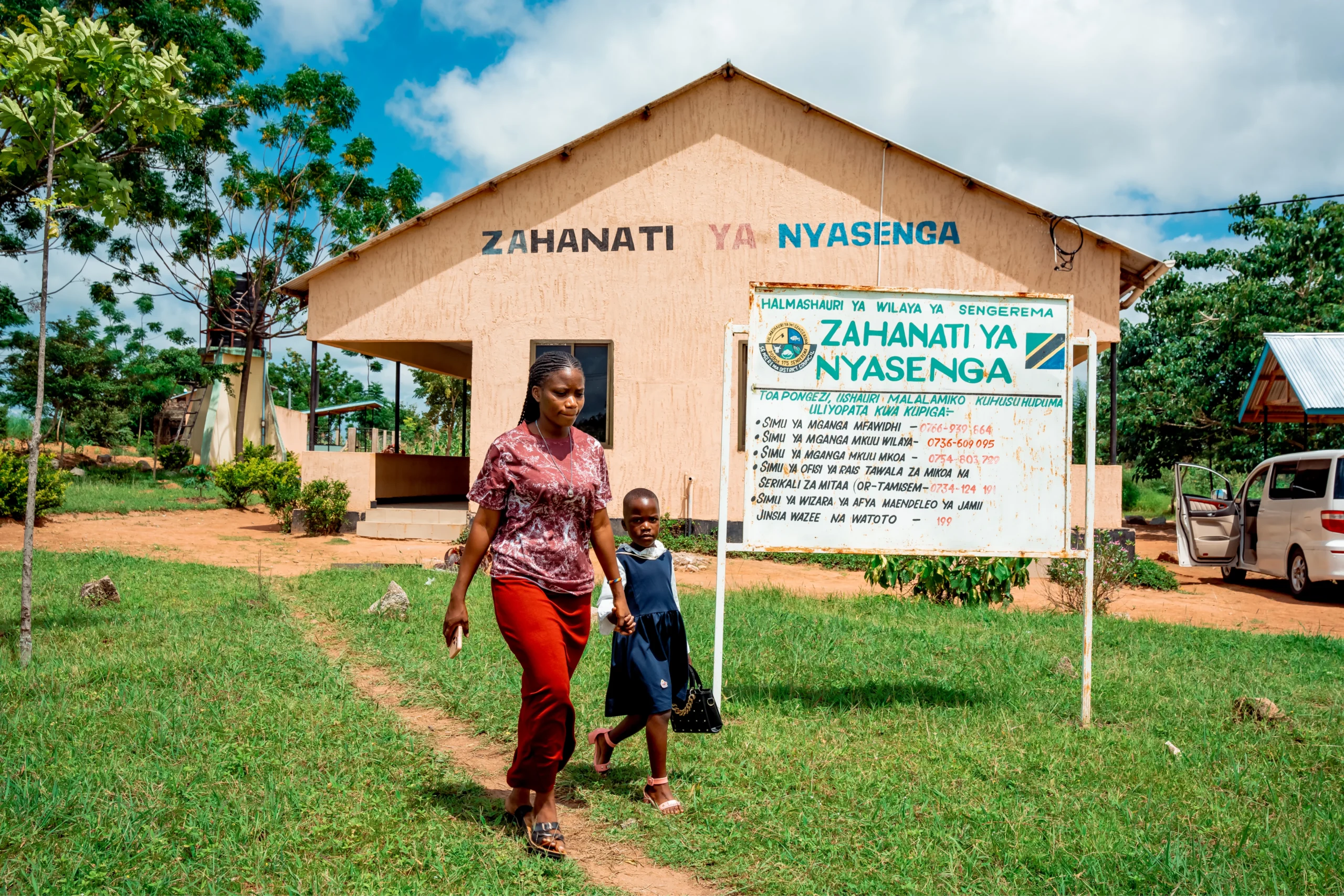
  • TDR and the UNDP-led Access and Delivery Partnership (ADP) are supporting a baseline survey for estimating the disease burden in children aged under 5 years and research on community engagement and integrated models for delivering paediatric praziquantel, a new formulation that will expand access to this treatment to preschool-aged children. 
A woman and a young child holding hands walk away from a small rural healthcare facility

A mother at the local health centre in Sengerema delivers her child’s urine and stool sample to be tested for schistosomiasis.
Credit: UNDP/Kumi Media

Exploring integration of services for female genital schistosomiasis (FGS) with HIV care 

  • TDR has supported a qualitative study in Ghana which found that implementation barriers such as stigma, knowledge gap, unavailability of needed logistics at health facilities, shortage of FGS and HIV drugs and issues of accessibility of drugs must be addressed to facilitate integration of services for both diseases.

Nine countries have documented the impact of the multisectoral approach for the prevention and control of vector-borne diseases

  • For example, the multisectoral approach contributed to a 64% reduction in the number of dengue cases in Estrutural City in Brazil between 2022 and 2023. (See Spotlight story below.)

Supporting access to TB diagnostics and treatment

  • A research package for evaluating the effectiveness, feasibility and impact of using the WHO-recommended treatment decision algorithm for childhood TB (TDA4Child) was developed and used by four additional countries (Burkina Faso, the Democratic Republic of the Congo, Nigeria and Uganda).
  • TDR-supported research conducted in Kenya, Uganda, Zambia, and Zimbabwe on TB disability have directly contributed to WHO guidance on TB-associated disability.
  • A new research toolkit for evaluating the impact of social protection programmes among TB patients and their households has been developed.
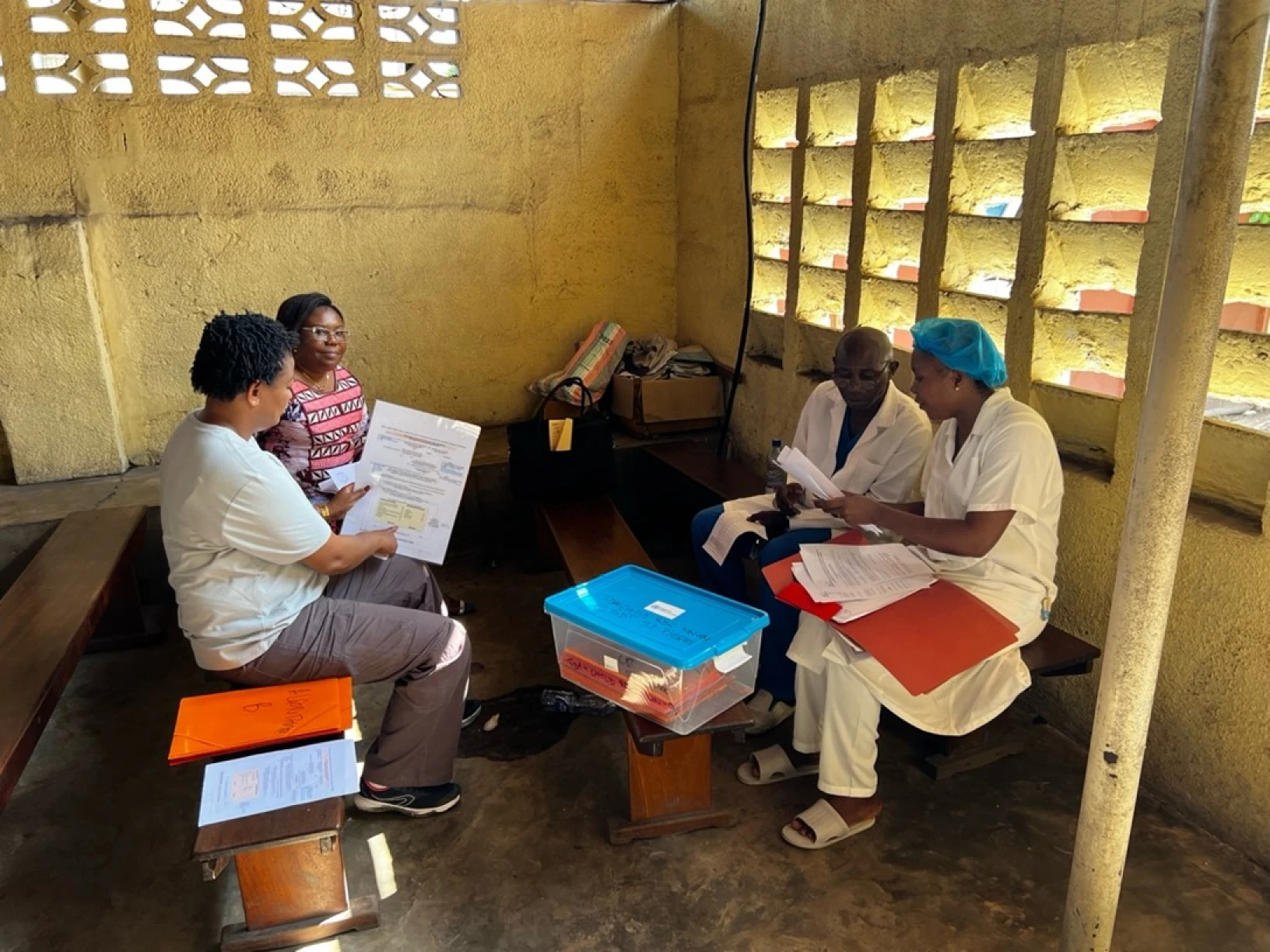
Four individuals, two in medical uniforms, are seated in a shaded area, reviewing study material

Reviewing the TDA4Child study material in Saint Pierre research site in Kinshasa.

Credit: TDR/E. Papot

Ghana approves moxidectin for the treatment of river blindness

Moxidectin was developed through two decades of collaboration between TDR, researchers in disease endemic and other countries, WHO country offices and the not-for-profit biopharmaceutical company Medicines Development for Global Health (MDGH).  In December 2024, the Ghana Food and Drugs Authority approved MDGH’s marketing authorization application for moxidectin for the treatment of river blindness in adults and children aged 4 years and older. This paves the way for a TDR-supported pilot implementation programme. (See Spotlight story below.)

Generating evidence on infectious diseases of poverty, gender and intersectionality in LMICs

  • Researchers in Nepal have assessed gender and equity considerations in health-related national policies and the health management information system of the national tuberculosis programme for more inclusive health systems.
  • Intersectional gender analysis conducted in four health facilities in central Uganda has helped identify challenges and bottlenecks in TB care, especially among the most at-risk groups.

Testing the sterile insect technique (SIT) to control dengue transmission in the Pacific Region 

  • French Polynesia started preparing for SIT field testing in 2023 and will release sterile male mosquitoes weekly throughout 2025 in two sites (Tahiti and Tetiaroa islands). The Cook Islands is also preparing to test SIT, and the release of sterile males will start by mid-2025 on Aitutaki island.

Supporting the introduction of malaria vaccines in 14 countries in West and Central Africa 

  • An implementation research project has been initiated, using a new TDR research package for conducting coverage surveys, understanding the barriers and drivers influencing malaria vaccine uptake and measuring vaccine effectiveness.

Ten Impact Grants for Regional Priorities have been awarded following a call for applications jointly issued by TDR and the WHO Regional Office for South-East Asia to support implementation research and innovations for accelerating elimination of infectious diseases of poverty under the Regional Flagship Priorities in South-East Asia.

Relevant training activities 

  • TDR’s postgraduate training scheme, in collaboration with eight universities in LMICs, focuses on building capacity on implementation research on major global health challenges, including control and elimination of diseases of poverty. This includes in-depth master’s thesis projects focused on addressing NTDs, malaria, TB, HIV, etc.
  • TDR-supported regional training centres (RTCs) trained individuals on on implementation research to control and eliminate infectious diseases of poverty.

RTCs trained
more than

7000

individuals online

345

individuals in-person

A promotional graphic featuring an illustrated woman holding up a circle, alongside icons representing 'free' access, exploration (magnifying glass), and security (lock). The text promotes the 'Massive Open Online Course (MOOC) on Implementation Research.'
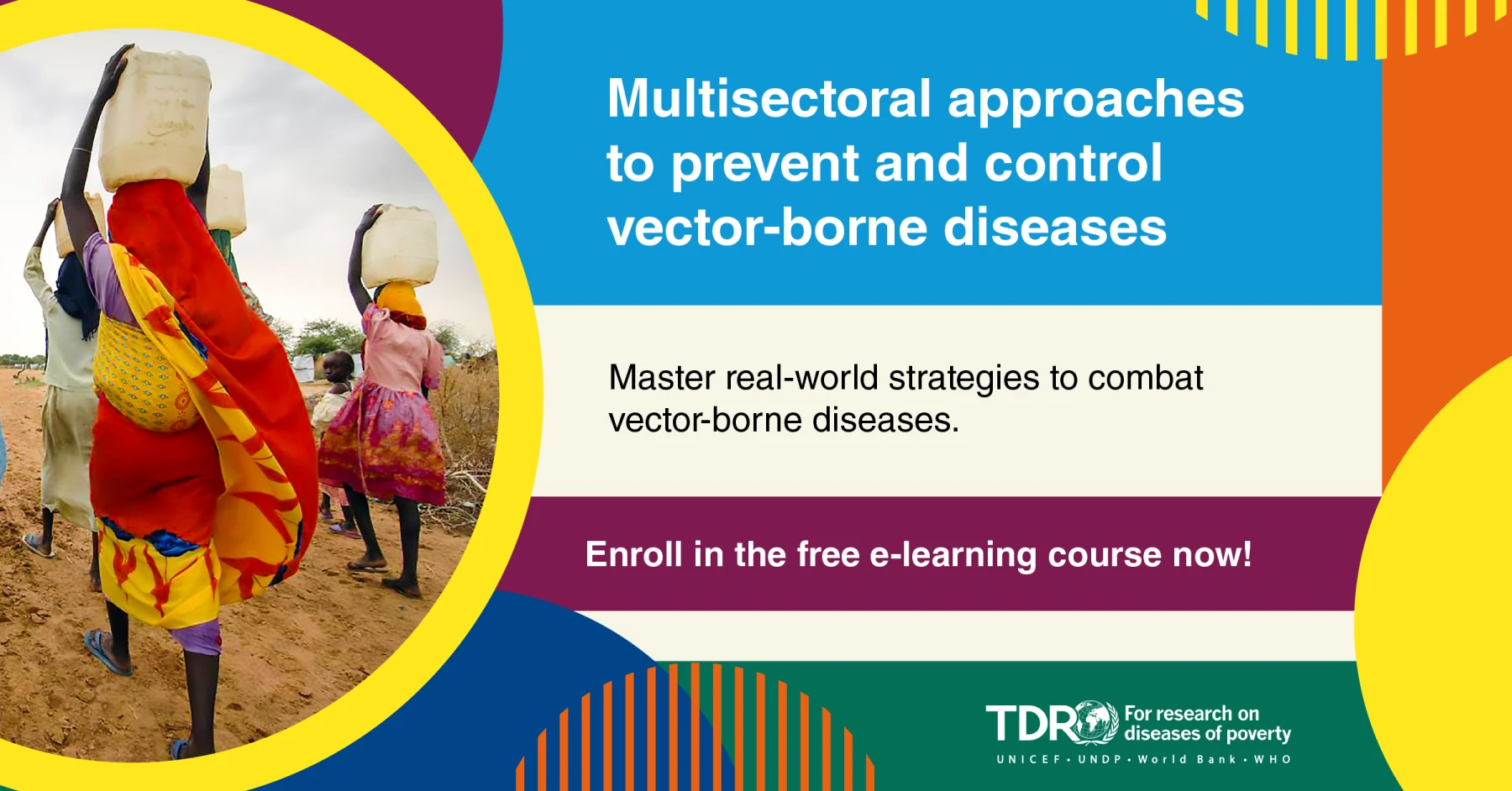
A promotional banner for an e-learning course on multisectoral approaches to preventing and controlling vector-borne diseases. It is vibrant using abstract shapes and bright colours, featuring an image of four women carrying bags on their heads, walking with a young girl outlined

Spotlight

Ghana approves moxidectin: a new milestone in the fight against river blindness

TDR’s long involvement in the development of drugs for neglected diseases took another positive step forward as Medicines Development for Global Health (MDGH) announced on 5 December 2024 that the Ghana Food and Drugs Authority (FDA) approved its marketing authorization application for moxidectin for the treatment of river blindness (onchocerciasis) in adults and children aged 4 years and older. This paves the way for a TDR-supported pilot implementation programme. 

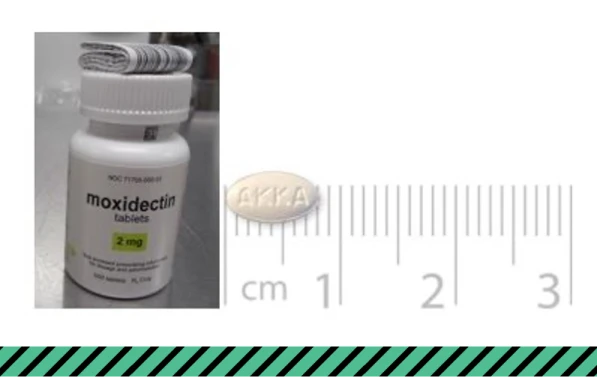
A bottle of moxidectin and a pill placed on a centimeter ruler for scale.

Moxidectin bottle and pill.


Courtesy of Medicines Development for Global Health

Our 
collaborative approach

This work is an example of TDR’s engagement and collaboration with a wide range of partners to support implementation of new products and innovations.

Spotlight

Controlling dengue among vulnerable populations in Brazil

When Dr Vanessa Cruvinel started her career in public health, she could never have dreamt that she’d be working in Latin America’s largest open waste site, trying to improve the health of one of the most vulnerable populations in Brazil.

Our catalytic role

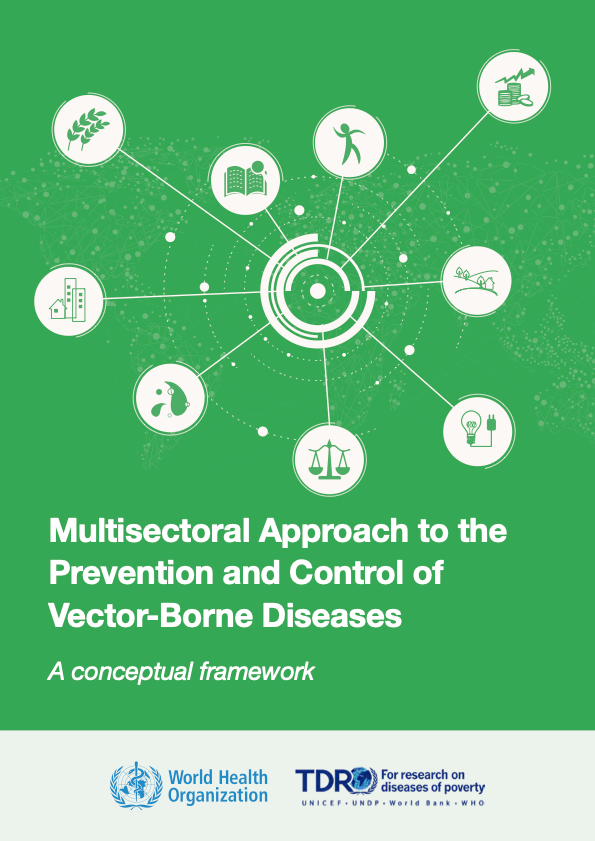
In 2020, TDR publishedconceptual framework covering the essential elements of successful multisectoral collaborations to address vector-borne diseases. TDR has been supporting research teams in Africa and Latin America that have been implementing the multisectoral approach. 

Cover of TDR publication on the "Multisectoral Approach to the Prevention and Control of Vector-Borne Diseases" framework, featuring interconnected icons representing various sectors

Spotlight

Ghana approves moxidectin: a new milestone in the fight against river blindness

TDR’s long involvement in the development of drugs for neglected diseases took another positive step forward as Medicines Development for Global Health (MDGH) announced on 5 December 2024 that the Ghana Food and Drugs Authority (FDA) approved its marketing authorization application for moxidectin for the treatment of river blindness (onchocerciasis) in adults and children aged 4 years and older. This paves the way for a TDR-supported pilot implementation programme.

TDR, as part of the Access and Delivery Partnership (ADP), is collaborating with the Ghana Health Service, the University of Health and Allied Sciences in Ghana, the Bruyère Research Institute in Canada, MDGH and disease endemic communities to evaluate the acceptability and feasibility of moxidectin distribution through community-based mass drug administration (MDA).

The results of this implementation research programme will add to the body of efficacy and safety data that formed the basis of the Ghana FDA approval and will inform WHO and endemic country decisions on the role of moxidectin in onchocerciasis elimination strategies. 

Read the full story here.

A bottle of moxidectin and a pill placed on a centimeter ruler for scale.

Moxidectin bottle and pill 


Courtesy of Medicines Development for Global Health

Spotlight

Controlling dengue among vulnerable populations in Brazil

When Dr Vanessa Cruvinel started her career in public health, she could never have dreamt that she’d be working in Latin America’s largest open waste site, trying to improve the health of one of the most vulnerable populations in Brazil. 


Until recently, Estrutural City in Brasilia had the largest open waste site in Latin America. While the site was closed in 2018 and many waste pickers are now employed in indoor waste sorting facilities, extreme poverty of people living in this area still contributes to the transmission of diseases, particularly dengue. As of April 2024, Brazil is the country with the highest number of dengue cases in the world, with 6.3 million suspected cases, more than 80% of cases globally reported to WHO.

Dr Marcos Obara and Dr Cruvinel have been leading the research team in Brazil. With technical and financial support from TDR, the team conducted research to develop public health solutions to reduce the incidence of dengue infection in Estrutural City, the poorest region in Brasilia, through the participation of three sectors having an impact on health: sanitation, urban services and education. 


In Estrutural City, the lack of adequate sanitation contributes to the growth of dengue-carrying mosquitoes. Although the study’s qualitative survey showed that many inhabitants knew how to prevent the spread of dengue by using special water storage tanks and removing trash from breeding sites, because of extreme poverty they could not afford to change their behaviour. Over 70% of inhabitants have had dengue at some point in their lives.

Some key preliminary findings of the research being used by the authorities to address specific challenges include the following:   

  • Due to very poor living conditions, mobile waste disposal units cannot access houses to collect rubbish. The Government of Brasilia’s Urban Cleaning Service is now implementing educational efforts focussing on correct waste disposal.
  • An indoor waste sorting facility has been built so less waste is left in open areas, near residential areas.
  • In an effort to improve vector control, the research team installed 150 stations with the larvicide pyriproxyfen. In areas with a high incidence of dengue, this activity resulted in a decrease in vector densities and a reduction in the number of dengue cases.
  • Brasilia’s Secretariat of Health now intends to implement this strategy in other areas with a high incidence of dengue.
Research impact

While the study is still ongoing, there has been a 64% reduction in dengue cases in Estrutural City between 2022 and 2023. This outcome is clearly linked to the multisectoral collaboration between water and sanitation sector, education sector and vector control efforts, including the dissemination of the larvicide pyriproxyfen, according to Dr Cruvinel.

Dr Cruvinel and her team are now sharing their experiences with other countries, including in West Africa.