Creating an enabling
environment for research

1. Capacity strengthening programmes and networks

TDR continues to respond to growing demand for implementation research capacity, in collaboration with partners in LMICs. Training activities target not only individual academics but also communities, programme implementers, decision-makers and institutions, thereby democratizing the research process. We are also providing strategic and catalytic support to develop research leadership in LMICs, within the fields of clinical and implementation research, and strengthening equity and inclusivity in research mentorship programmes.

Objectives

  • To strengthen the capacity of people, communities and institutions to produce research evidence that is useful for reducing the burden of infectious diseases of poverty.
  • To strengthen the use of implementation and clinical research, applying a One Health approach, to address global health challenges: control and elimination of diseases of poverty; climate change’s impact on health; epidemics and outbreaks; and resistance to treatment and control agents.

Target audience
Researchers; frontline workers in health, environment and agriculture; policy-makers; communities; 
social innovators.

Key activities

TDR-supported research training networks

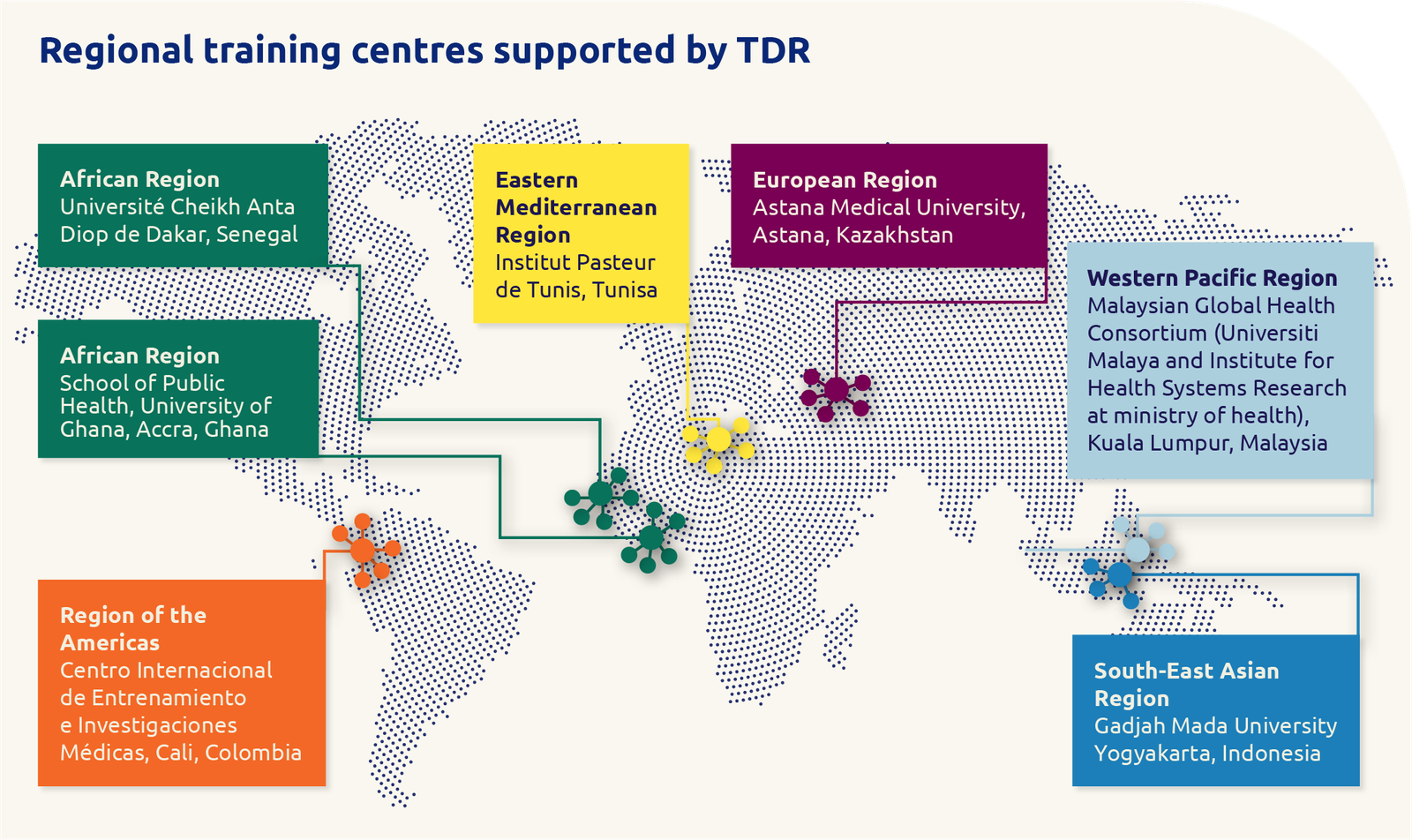
A map highlighting regional training centres supported by TDR across the world
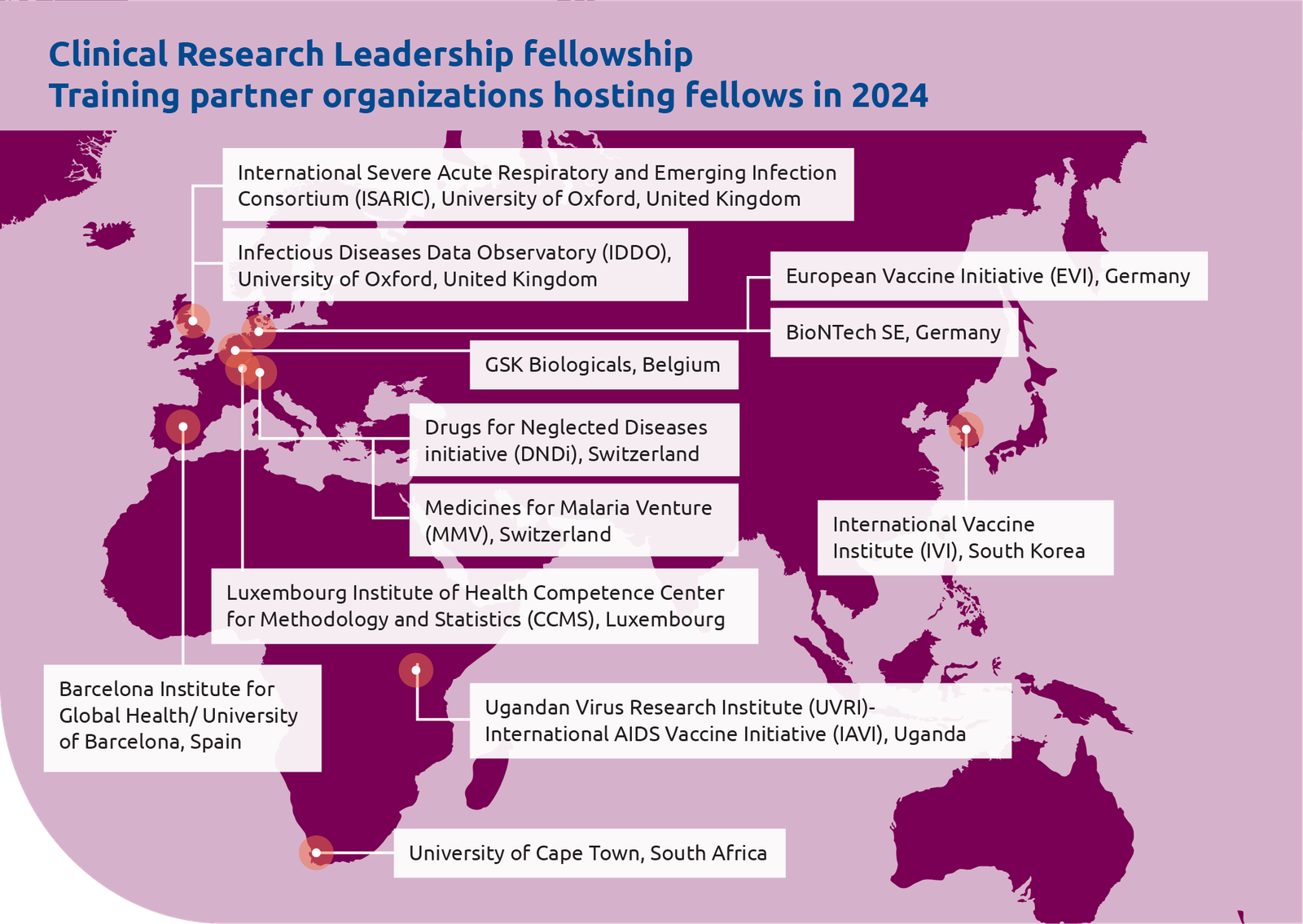
A map highlighting global training partner organizations hosting Clinical Research Leadership fellows in 2024, including universities and research institutions across multiple regions
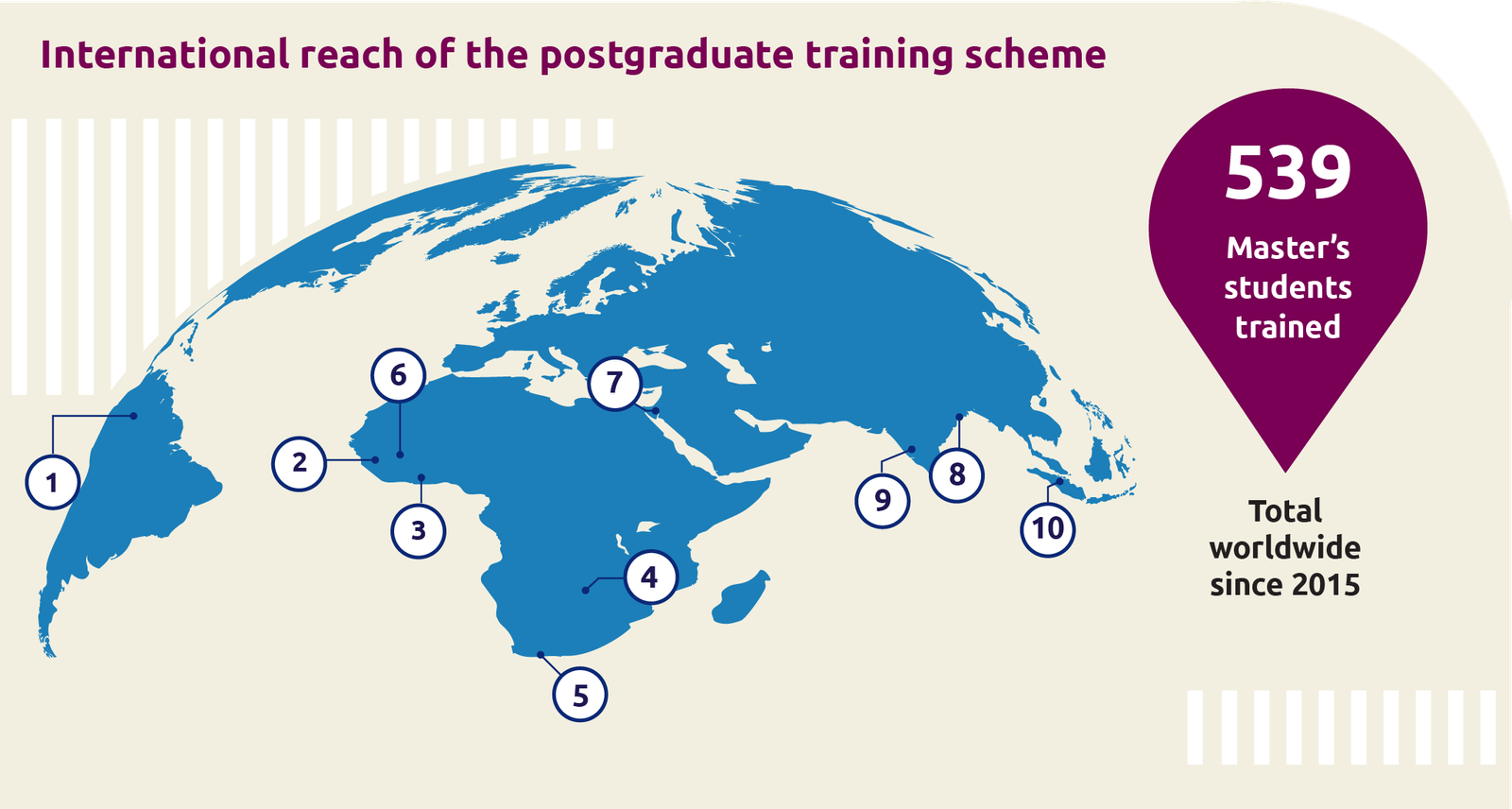
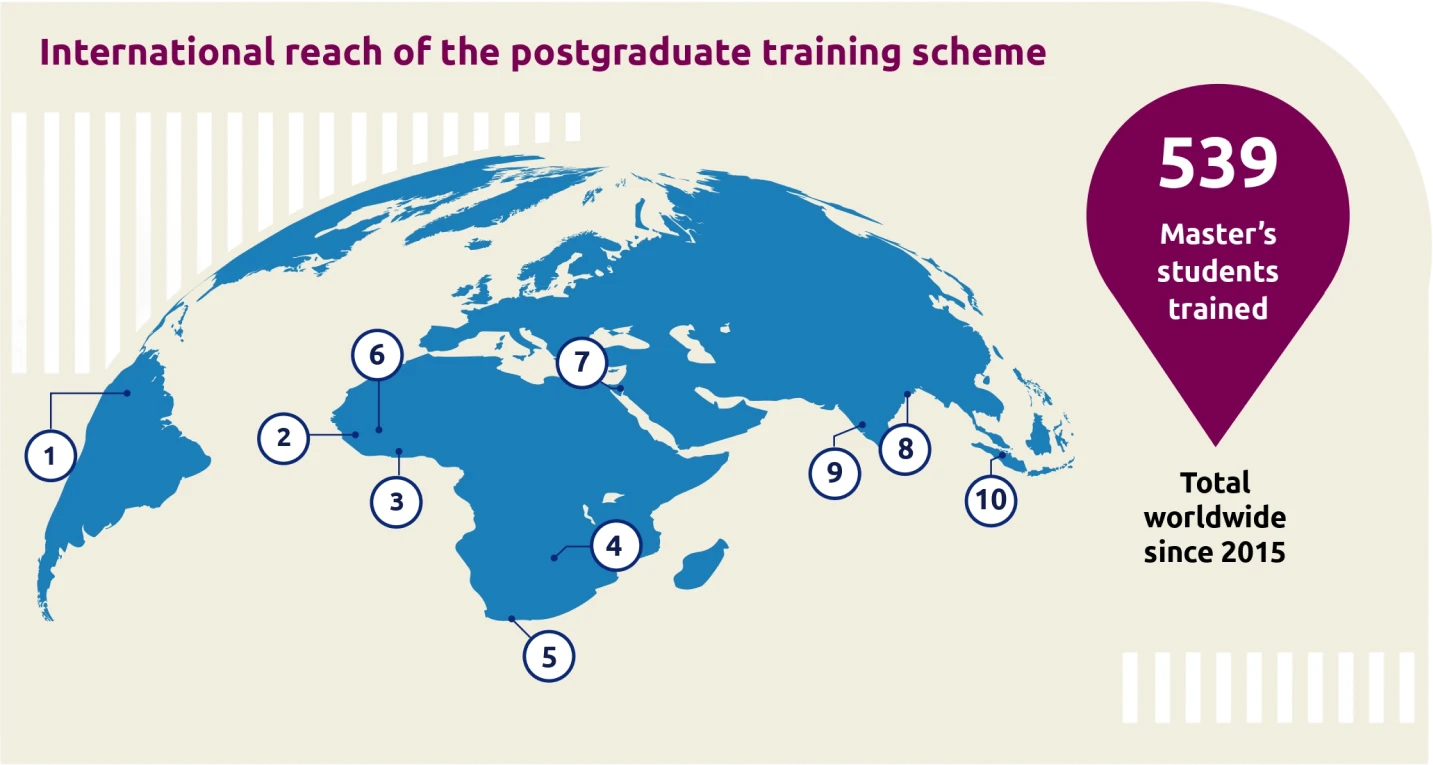
A map showing the international reach of the postgraduate training scheme, with 539 master’s students trained since 2015 across various countries
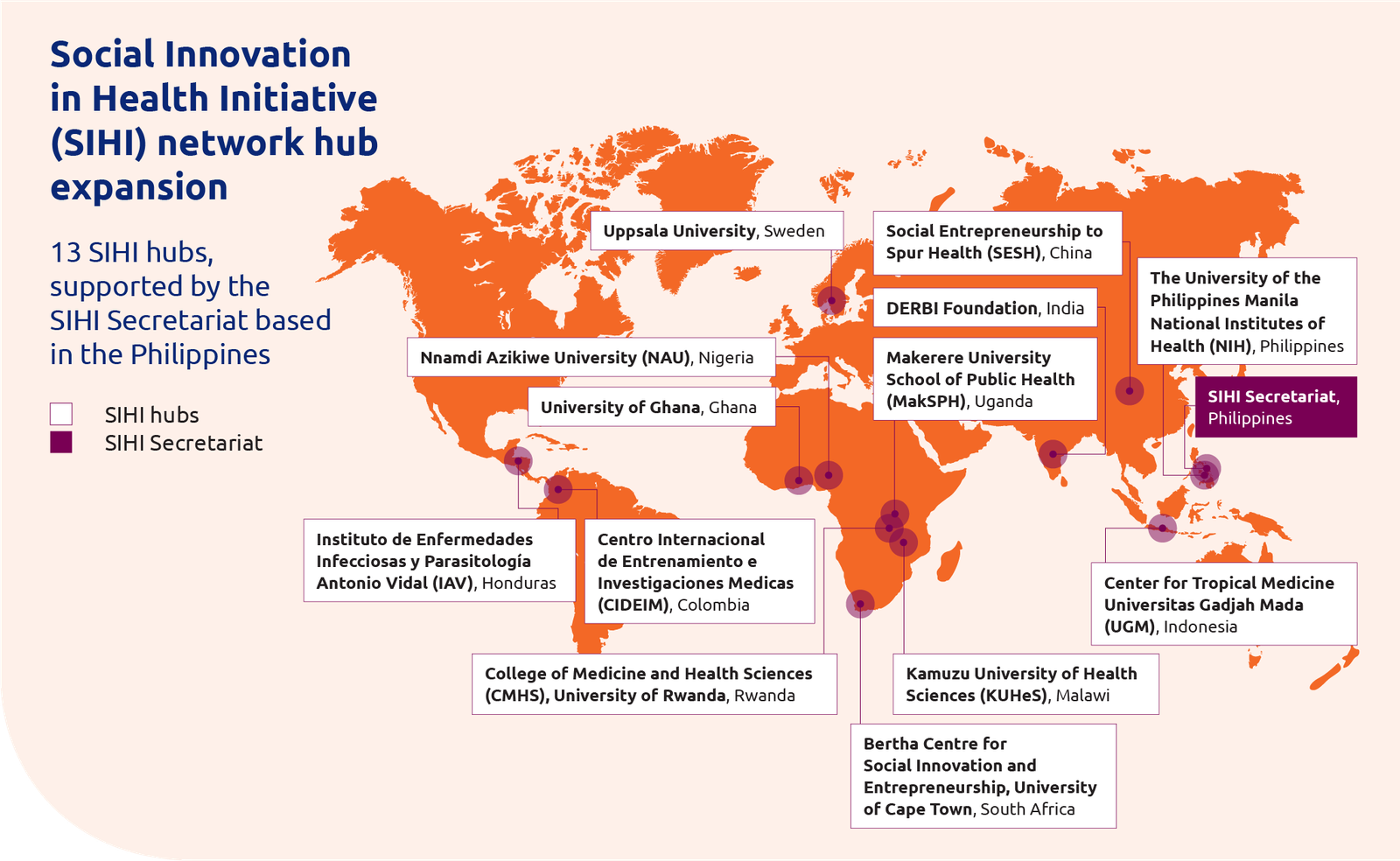
A map displaying the Social Innovation in Health Initiative (SIHI) network hub expansion, showing 13 SIHI hubs supported by a secretariat based in the Philippines
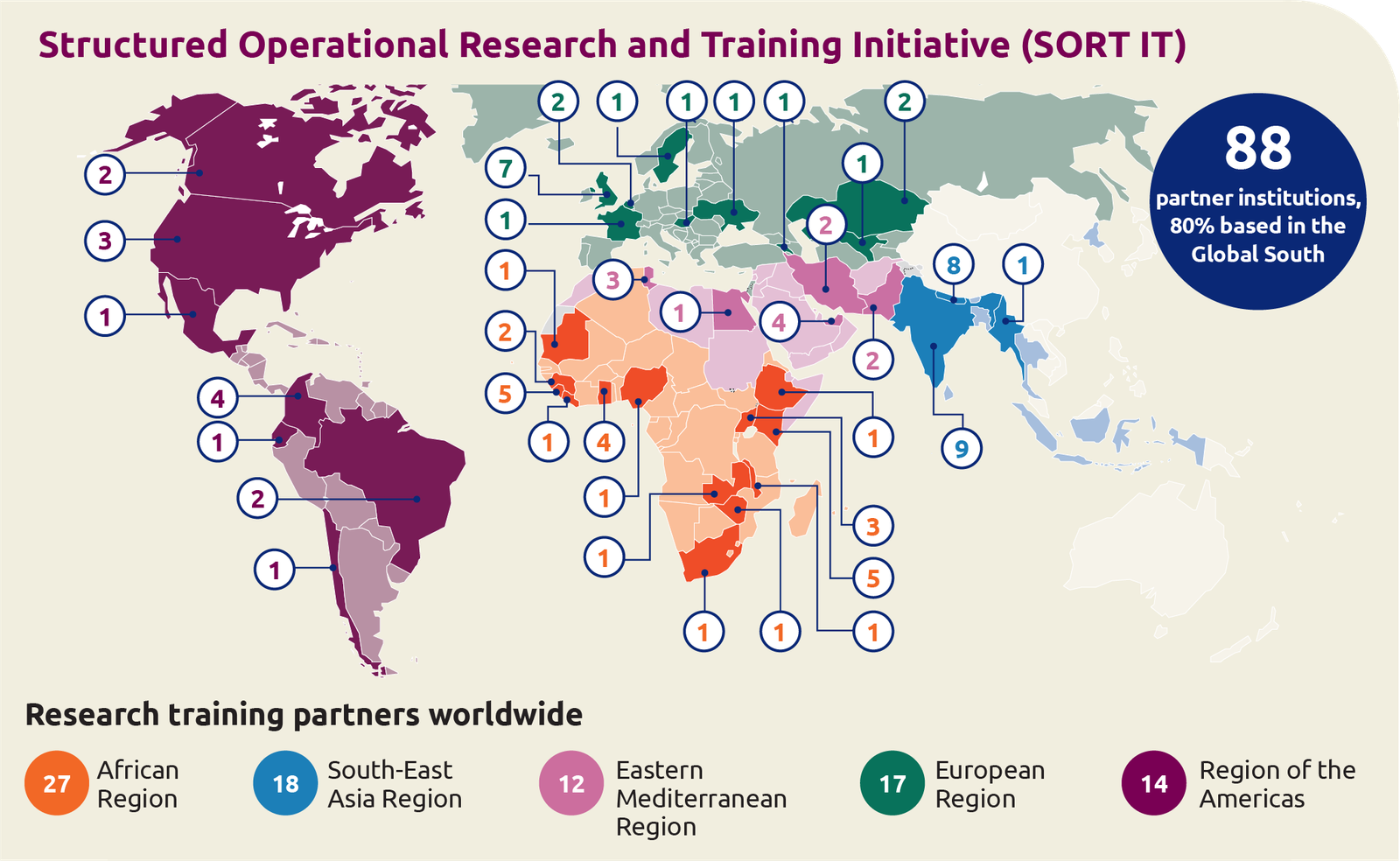
A map illustrating the global reach of the Structured Operational Research and Training Initiative (SORT IT), showing 88 partner institutions, with 80% located in the Global South

2024 updates

Developing health research leadership in LMICs:

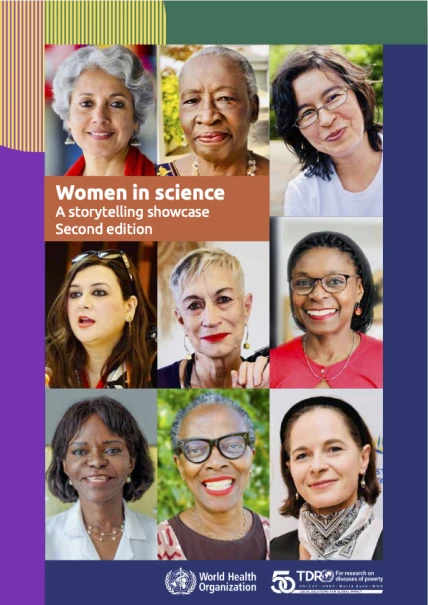
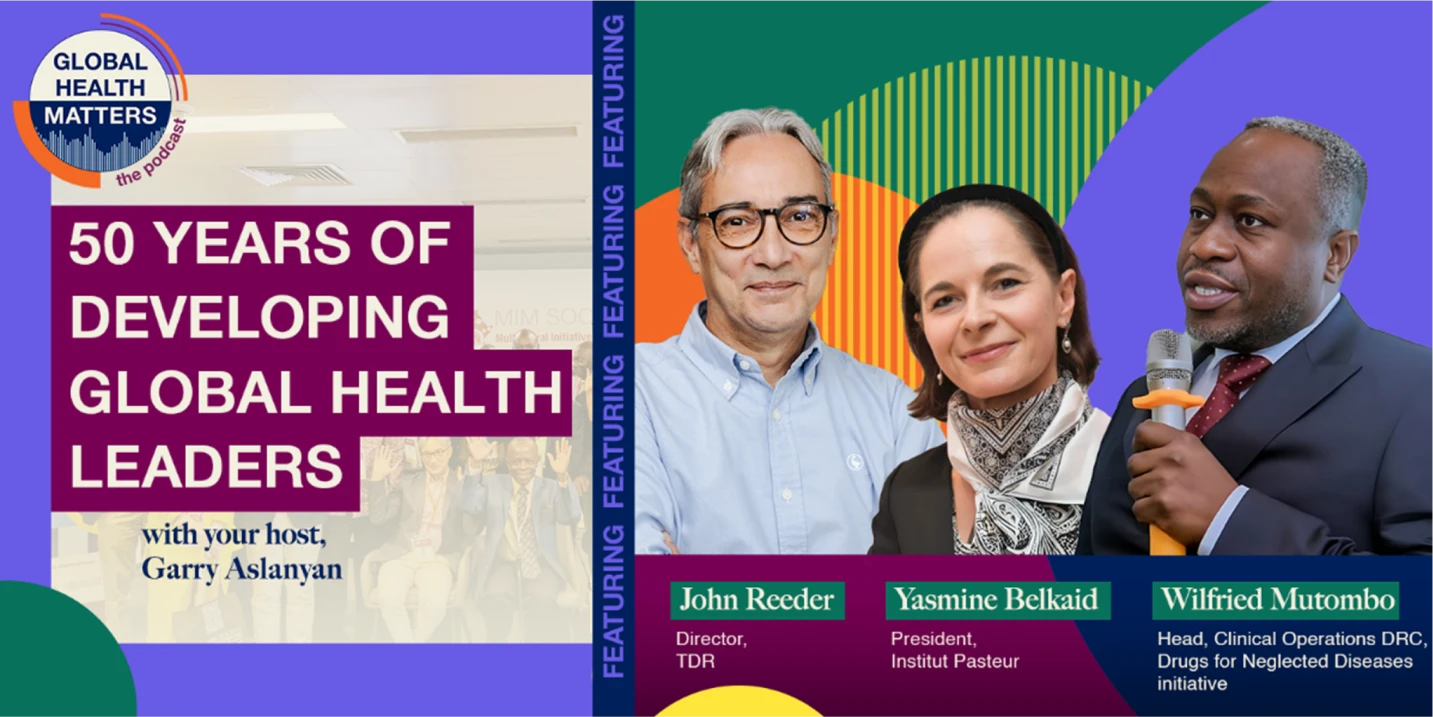
  • Throughout TDR’s 50th anniversary year, numerous members of the TDR Global community, including WHO Director General Tedros Ghebreyesus, Institut Pasteur President Yasmine Belkaid and other scientists featured in the updated Women in Science compendium,  shared testimony on the impact TDR has had on their careers. (See Spotlight story below.)
  • A new Implementation Science Leadership Programme for Public Health Impact, to be hosted by Universitas Gadjah Mada in Indonesia and the University of Ghana, has been launched.
  • The first cohort of 20 Clinical Research Leadership programme fellows (6 men and 14 women) were placed with their hosts, and the second cohort (8 men and 8 women) was selected. (A total of 128 fellows – 89 men and 39 women – were supported through the earlier Clinical Research and Development Fellowship programme).
  • A pilot programme to support career mentorship for leadership in research was successfully  implemented, involving mentors and mentees from TDR-supported research capacity strengthening networks of alumni and institutions.
Cover of TDR’s "Women in Science" compendium with portraits of ten women scientists

Developing and offering research training courses:

  • new IR Toolkit module on One Health has been launched.
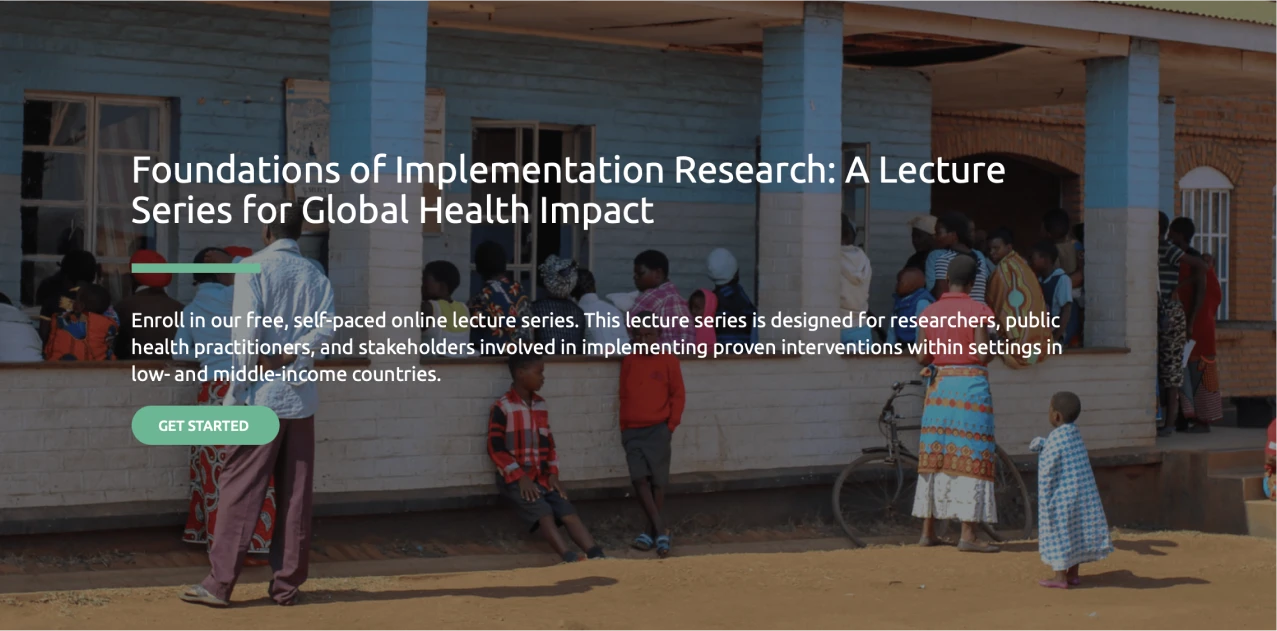
  • Foundations of implementation research, a free online lecture series on IR has been launched.
  • TDR-supported regional training centres (RTCs) managed nine sessions of the IR MOOC, delivered in Arabic, English, French, Russian and Spanish, to more than 7300 registered participants.
  • The RTCs organized nine in-person training courses for 345 researchers, health professionals, decision-makers and other stakeholders on topics covering the end-to-end process of implementation research to address infectious diseases of poverty.
  • The postgraduate training scheme partner universities enrolled 37 new master’s students (15 men and 22 women) from 22 countries, of which six are French-speaking countries in West Africa. Forty-one students (20 men and 21 women) completed their Master in Public Health degrees. In 2024, TDR-supported grantees published 197 studies in peer-reviewed journals.
  • As a member of the Access and Delivery Partnership (ADP), TDR advanced the partnership’s commitment to strengthening research capacity by supporting implementation research studies on care models for female genital schistosomiasis in Ghana, Malawi and the United Republic of Tanzania.
  • The SORT IT module on communicating research findings was implemented in three SORT IT courses, resulting in the generation of 22 evidence briefs.
A website screenshot of a self-paced online lecture series on implementation research, with a group of people gathered outside a rural healthcare building in the background

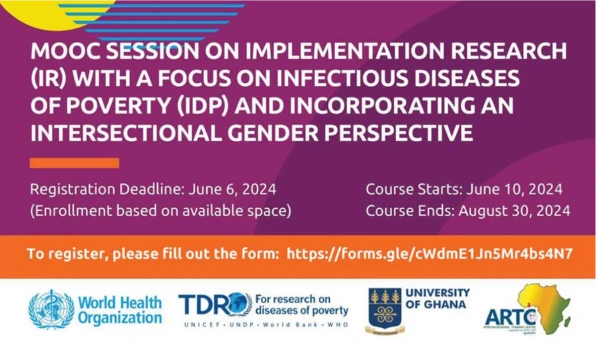
Building capacities to conduct implementation research that includes an intersectional gender lens on infectious diseases:

A promotional banner on a purple background outlining a MOOC session announcement on Implementation Research, highlighting infectious diseases of poverty and gender perspectives. Registration details are featured on an orange strap displaying below the WHO, TDR, University of Ghana, and ARTC logos.

Strengthening research capacity outside academia in communities:

  • Training programmes to conduct research on social innovations have been embedded in the SIHI hubs’ institutions in China, Colombia, Philippines, Rwanda and South Africa. Similar plans are underway in all other SIHI hubs. In addition, TDR supported a project in Colombia, Philippines and Uganda to strengthen capacity to incorporate an intersectional gender approach in research on social innovations.
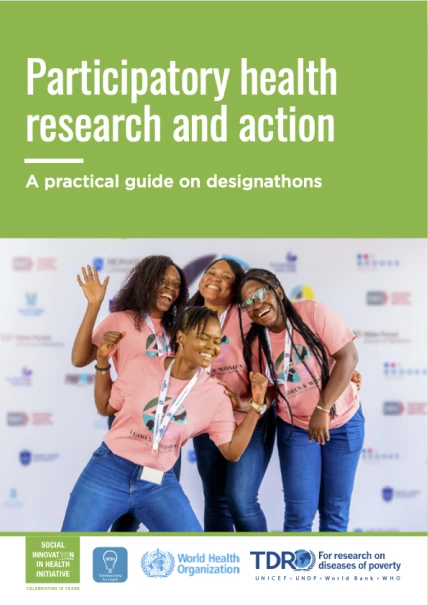
  • A new guide on participatory health research and action has been published for people interested in organizing a designathon for improving health and well-being. Designathons are used to develop health interventions and social innovations, inform consensus processes and spur community engagement.
Cover of a TDR publication on "Participatory Health Research and Action," showing four young women in matching shirts standing in front of a promotional backdrop at a designathon event

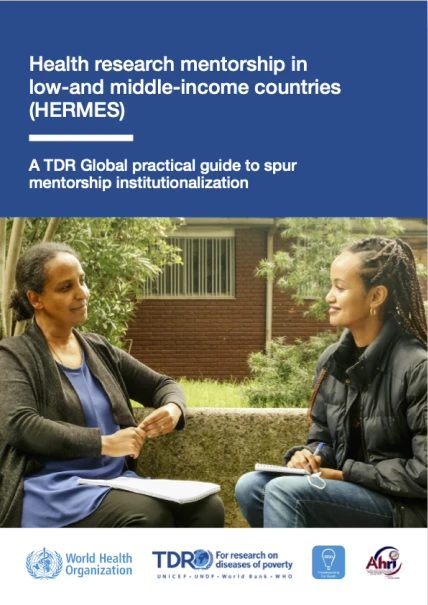
Fostering the mentorship of young scientists:

Cover of a TDR publication on "Health Research Mentorship in Low- and Middle-Income Countries," featuring two women engaged in a mentorship discussion outdoors

Spotlight

50 years of developing global health leaders

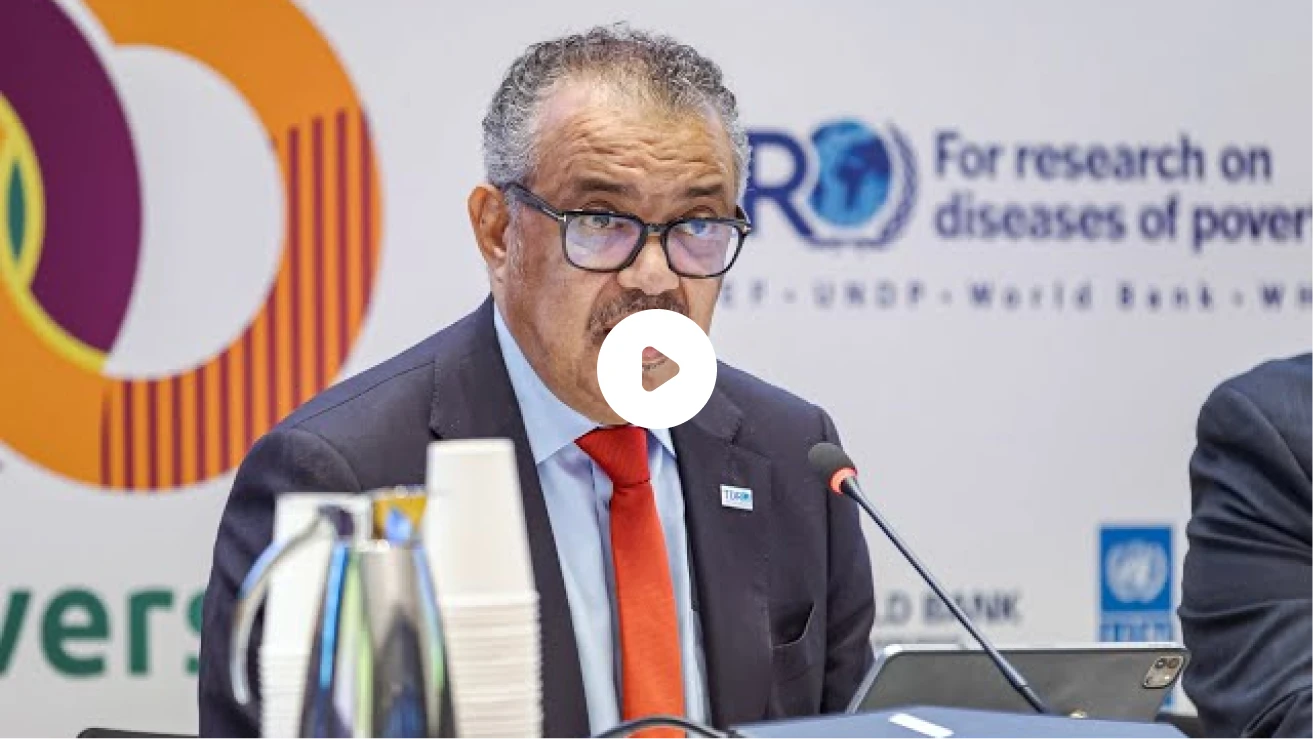
“In many ways, TDR’s support started me on a career that has led me to where I am,” WHO Director-General Dr Tedros Ghebreyesus said in his opening remarks to TDR’s Joint Coordinating Board on 12 June 2024. “And I know I’m not the only one. TDR has played an influential role in building research leadership across the world.”
Video excerpt: Dr Tedros speaks about the role of TDR in shaping his career

Video excerpt: Dr Tedros speaks about the role of TDR in shaping his career.

A Global Health Matters podcast promotional banner for "50 Years of Developing Global Health Leaders," featuring portrait images of three speakers collaged over colourful abstract shapes

From left to right: John Reeder, Yasmine Belkaid, Wilfried Mutombo. 

Credits: TDR/Niels Ackermann for John Reeder; other photos courtesy of Yasmine Belkaid and Wilfried Mutombo

Spotlight

Indonesian university boosts Asia’s public health programmes through research training

Growing up in Bangladesh where several infectious diseases transmitted by helminths (worms) take a large health toll, Tilak Chandra Nath has always been fascinated with the challenges of addressing diseases of poverty.
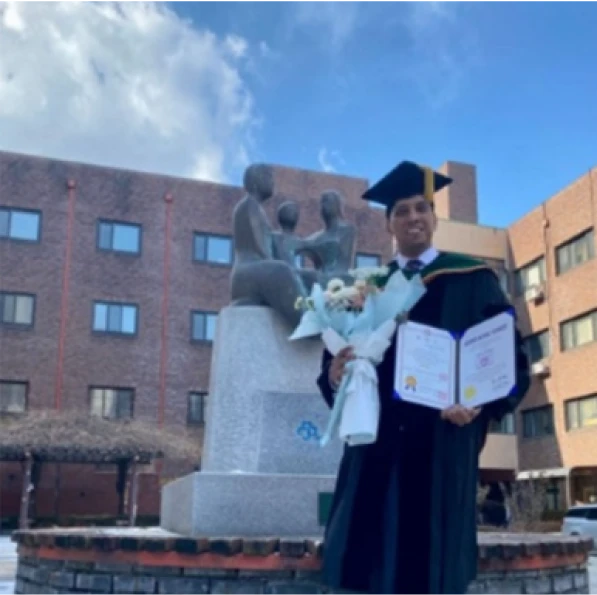
A graduate in a cap and gown smiles while holding a diploma and bouquet in front of a university statue

The graduation of Tilak Chandra Nath.

Photo courtesy of Tilak Chandra Nath

Spotlight

50 years of developing global health leaders

“In many ways, TDR’s support started me on a career that has led me to where I am,” WHO Director-General Dr Tedros Ghebreyesus said in his opening remarks to TDR’s Joint Coordinating Board on 12 June 2024. “And I know I’m not the only one. TDR has played an influential role in building research leadership across the world.”

Video excerpt: Dr Tedros speaks about the role of TDR in shaping his career

Video excerpt: Dr Tedros speaks about the role of TDR in shaping his career.

Dr Tedros was among more than 80 donors, partners and other champions who gathered to celebrate the impact TDR has made over the last 50 years to change the course of infectious diseases that disproportionately affect the poor. The event followed other anniversary events, including at the Multilateral Initiative on Malaria meeting in Rwanda and also during the World Health Assembly.

“In an increasingly polarized world, research and evidence-informed decisions are more important than ever,” said Ms Kerstin Jonsson Cissé, then Head of the Research Cooperation Unit at the Swedish International Development Cooperation Agency. “TDR is doing tremendous work, and its impact is clear across the world. We, Sweden, are proud to have partnered with TDR since the very early days, and we hope to continue our engagement for many years to come.”

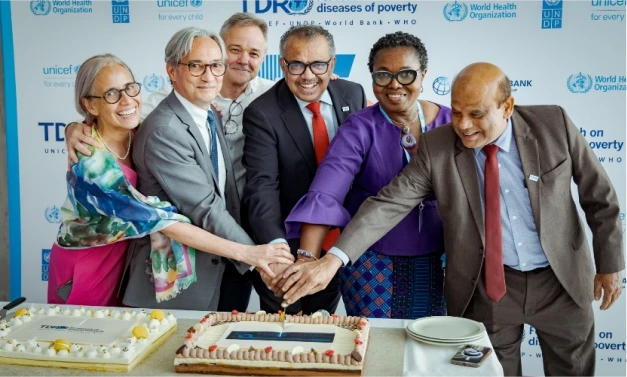
Six health and research leaders, including Dr Tedros Ghebreyesus and Dr John Reeder, cut a cake at a celebratory event for TDR

From left to right: Dr Iris Cazali, Dr John Reeder, Dr Jeremy Farrar, Dr Tedros Ghebreyesus, Professor Margaret Gyapong and Dr Sunil De Alwis.
Credit: TDR/Antoine Tardy

Professor Gordon Awandare, Founding Director of the West African Center for Cell Biology of Infectious Pathogens at the University of Ghana, spoke about how support from TDR early in his career has allowed him to give back as a research leader.

Dr Peter Hotez, Dean of the National School of Tropical Medicine at Baylor College of Medicine in Texas, also commended TDR Director Dr John Reeder for his stewardship of TDR during a difficult period early in his tenure. “I do think your leadership made a huge difference in not only preserving the organization and ensuring its future, but also getting people excited about it,” Dr Hotez said.

Looking ahead, several partners voiced support for the new TDR Strategy 2024-2029. “We are one of the excited partners about the new Strategy that has been launched” and its focus on “strengthening local science and local evidence generation,” said Mr Benjamin Schreiber, Associate Director of Partnerships at UNICEF. “What it means for UNICEF is that TDR helps us to lower the costs of doing research. TDR ensures that the research being done is of much better quality. TDR enables us and other partners to be faster in doing this because we have local capacity that’s there. TDR enables all this research to be used in a bigger context than if any of the partners would do it alone.”

Mr Benjamin Schreiber, Associate Director of Partnerships, UNICEF
TDR helps us to lower the costs of doing research. TDR ensures that the research being done is of much better quality. TDR enables us and other partners to be faster in doing this because we have local capacity that’s there.

Spotlight

Indonesian university boosts Asia’s public health programmes through research training

Growing up in Bangladesh where several infectious diseases transmitted by helminths (worms) take a large health toll, Tilak Chandra Nath has always been fascinated with the challenges of addressing diseases of poverty.

During his postgraduate training as a TDR-supported fellow at the Universitas Gadjah Mada (UGM) in Indonesia in 2016, he studied parasitic diseases, focusing on helminths, and he is currently using his knowledge to advance a One Health approach to eliminating those diseases in his home country.

Nath was part of TDR’s global postgraduate training scheme, developed over the past eight years to boost the skills of future research leaders.

A graduate in a cap and gown smiles while holding a diploma and bouquet in front of a university statue

Photo courtesy of Tilak Chandra Nath

A map showing the international reach of the postgraduate training scheme, with 539 master’s students trained since 2015 across various countries

The initiative focuses on building students’ skills in implementation research, a fast-growing field that supports the identification of system bottlenecks to delivering health services and approaches to addressing them. It is particularly useful in LMICs where many health interventions do not reach those who need them the most.

Following his studies at UGM, Nath continued his research training, completing a PhD in Medicine from Chungbuk National University in South Korea in the area of One Health. He is now an Associate Professor in the Department of Parasitology at Sylhet Agricultural University in Bangladesh.

In a sense he has come full-circle, bringing knowledge amassed through years of study abroad back to his home country to ponder issues that he wondered about since his youth.

“I am now actively engaged with helminthiasis elimination and biobanking of parasites projects,” said Nath, who is currently also the Director of Bangladesh’s Parasite Resource Bank, where he is investigating the interactions between human, animal and environmental parasites through a One Health approach.

Tilak Chandra Nath, Associate Professor in the Department of Parasitology at Sylhet Agricultural University in Bangladesh and Director of Bangladesh’s Parasite Resource Bank
Through the TDR training programme, I learned to investigate these parasitic diseases and pave the way to find an implementable solution for policy-makers to mitigate the burden.

Read the full story here.