New solutions applied in countries
21
instances when research projects supported by TDR informed policy and/or practice in countries to tackle infectious diseases of poverty
Highlight 1/5
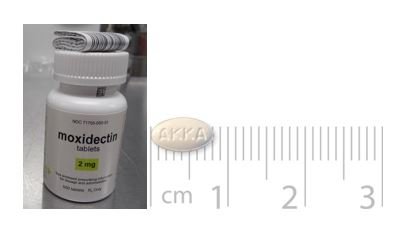
Ghana approved moxidectin for the treatment of river blindness. This first-of-its-kind approval paves the way for a TDR-supported pilot implementation programme.
Highlight 2/5
New implementation research training modules have been developed featuring case studies addressing diseases such as Chagas disease and trachoma.
Highlight 3/5
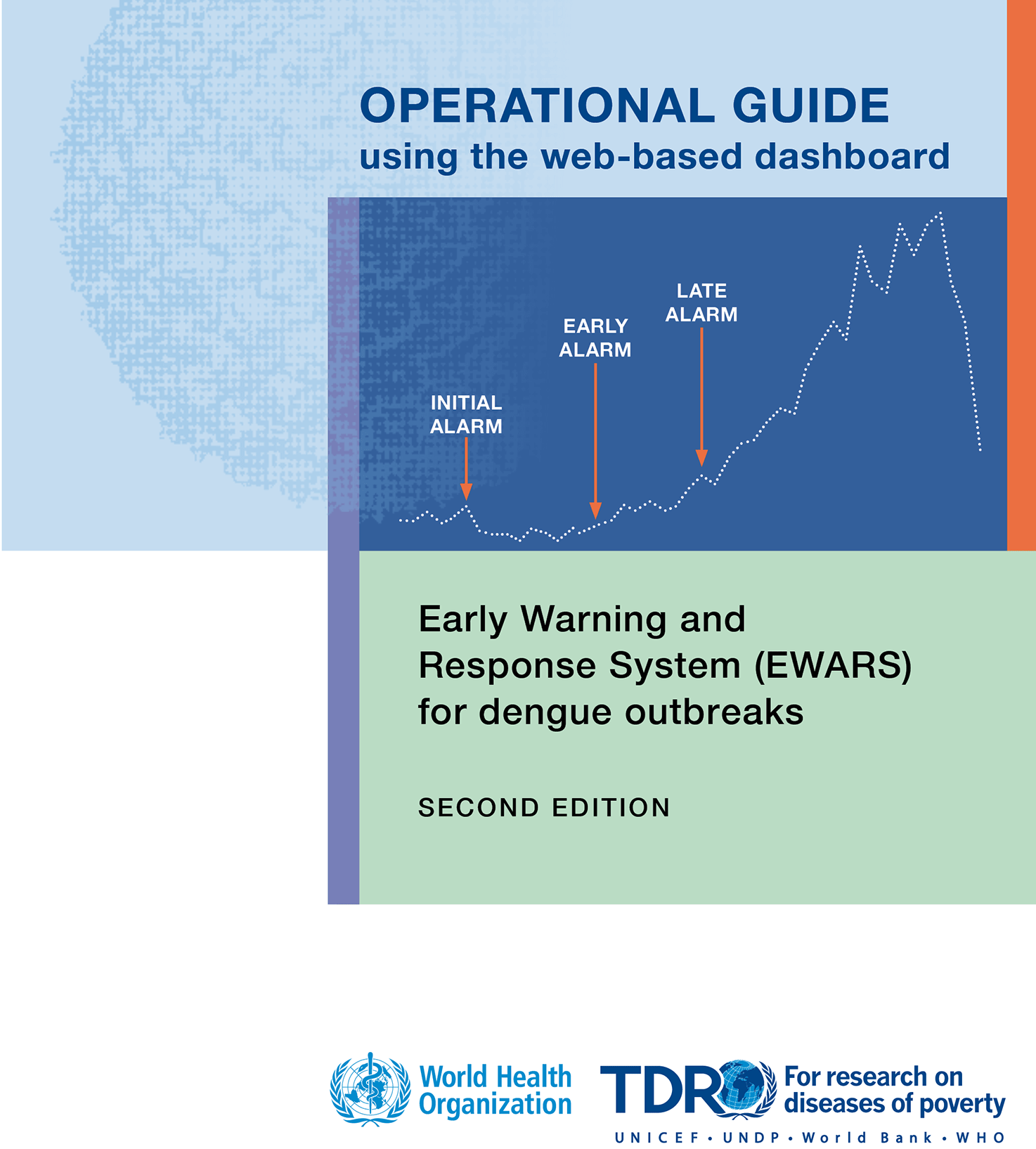
The Early Warning and Response System for climate-sensitive diseases (EWARS-csd) is being piloted in three additional countries in West Africa (Burkina Faso, Nigeria and Senegal).
Highlight 4/5
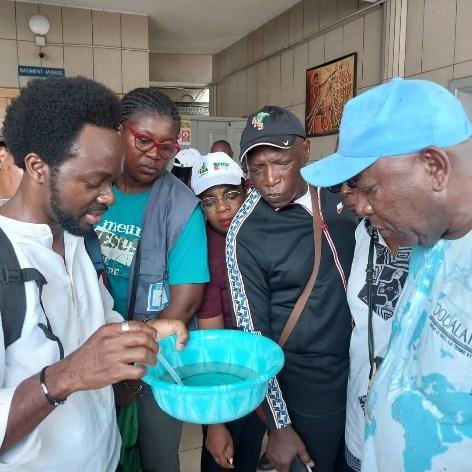
We have developed and piloted a research package for conducting root cause analysis of yellow fever outbreaks in Cameroon, Central African Republic and Guinea.
Highlight 5/5
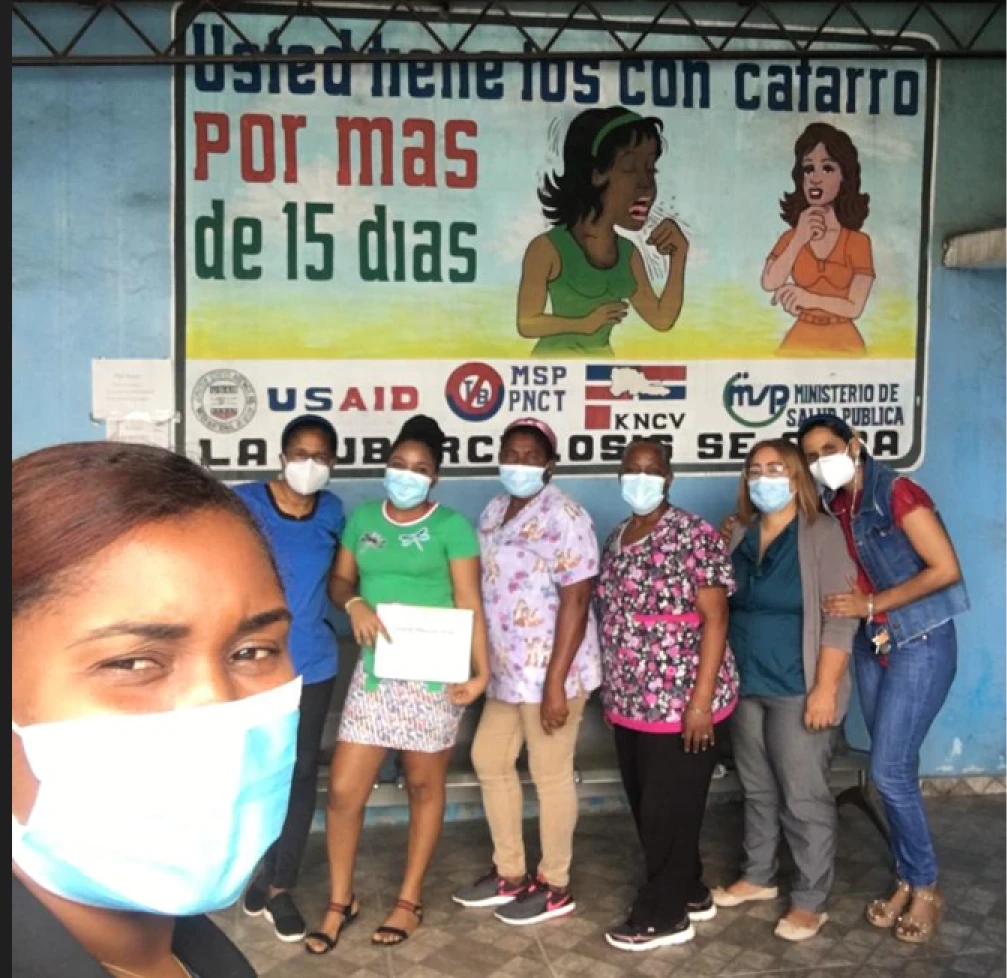
TDR-supported studies have led to national policy changes in the Dominican Republic and Ecuador, which have adopted short all-oral regimens for drug-resistant TB patients.
Highlight 1/5
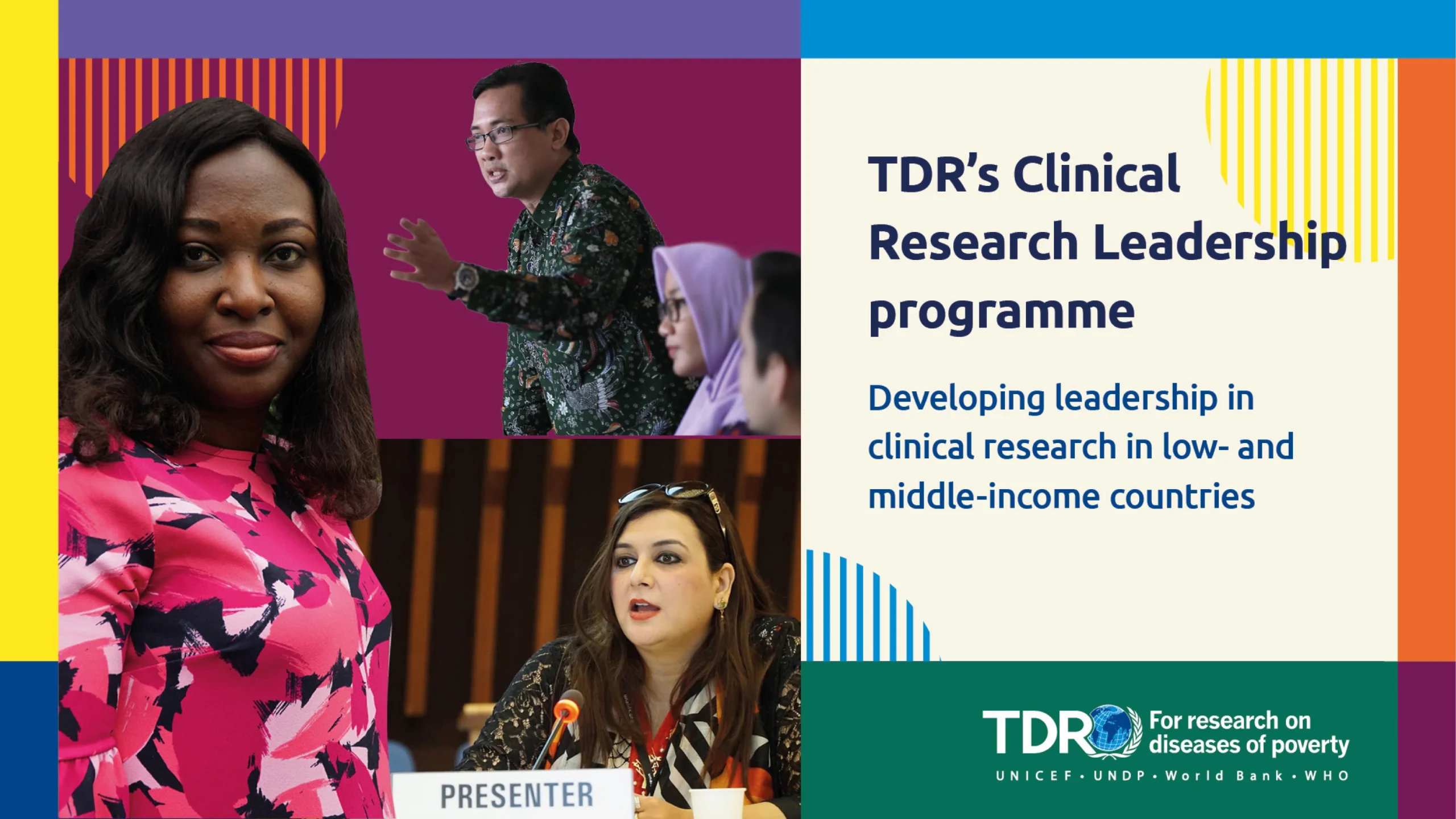
The first cohort of 20 Clinical Research Leadership programme fellows (6 men and 14 women) were placed with their training hosts.
Highlight 2/5
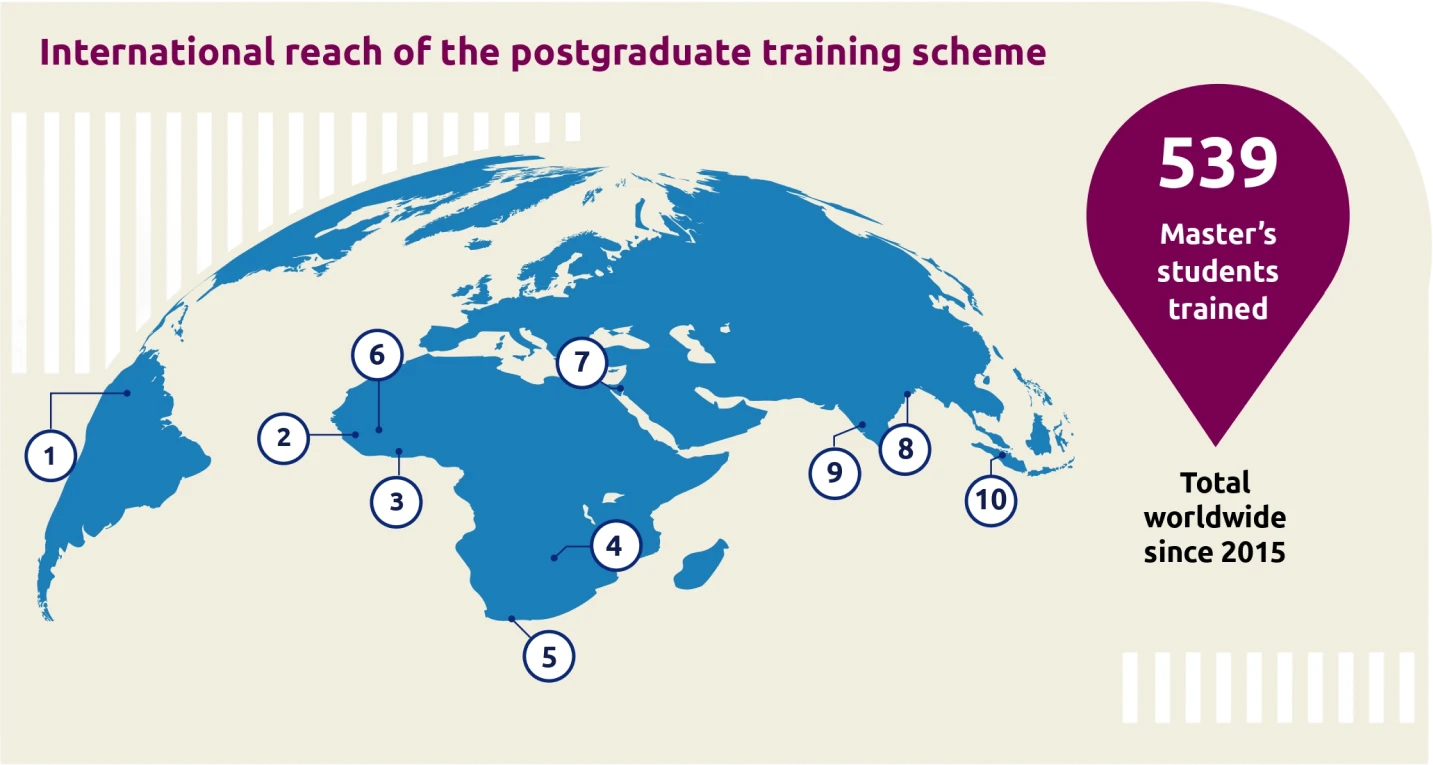
The postgraduate training scheme partner universities enrolled 37 new master’s students (15 men and 22 women) from 22 countries.
Highlight 3/5
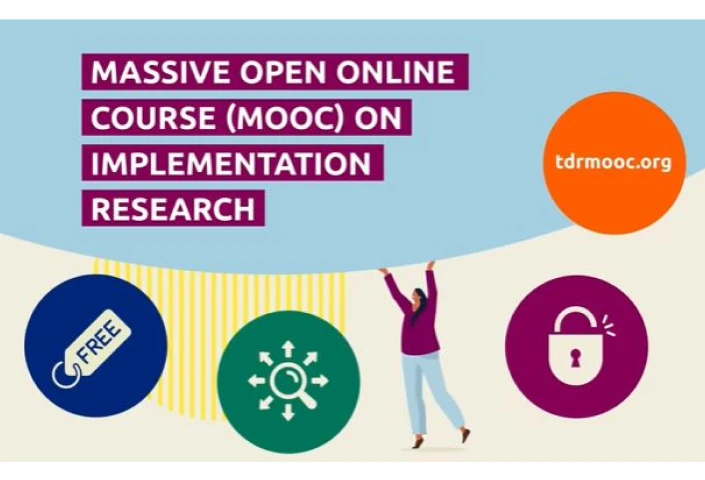
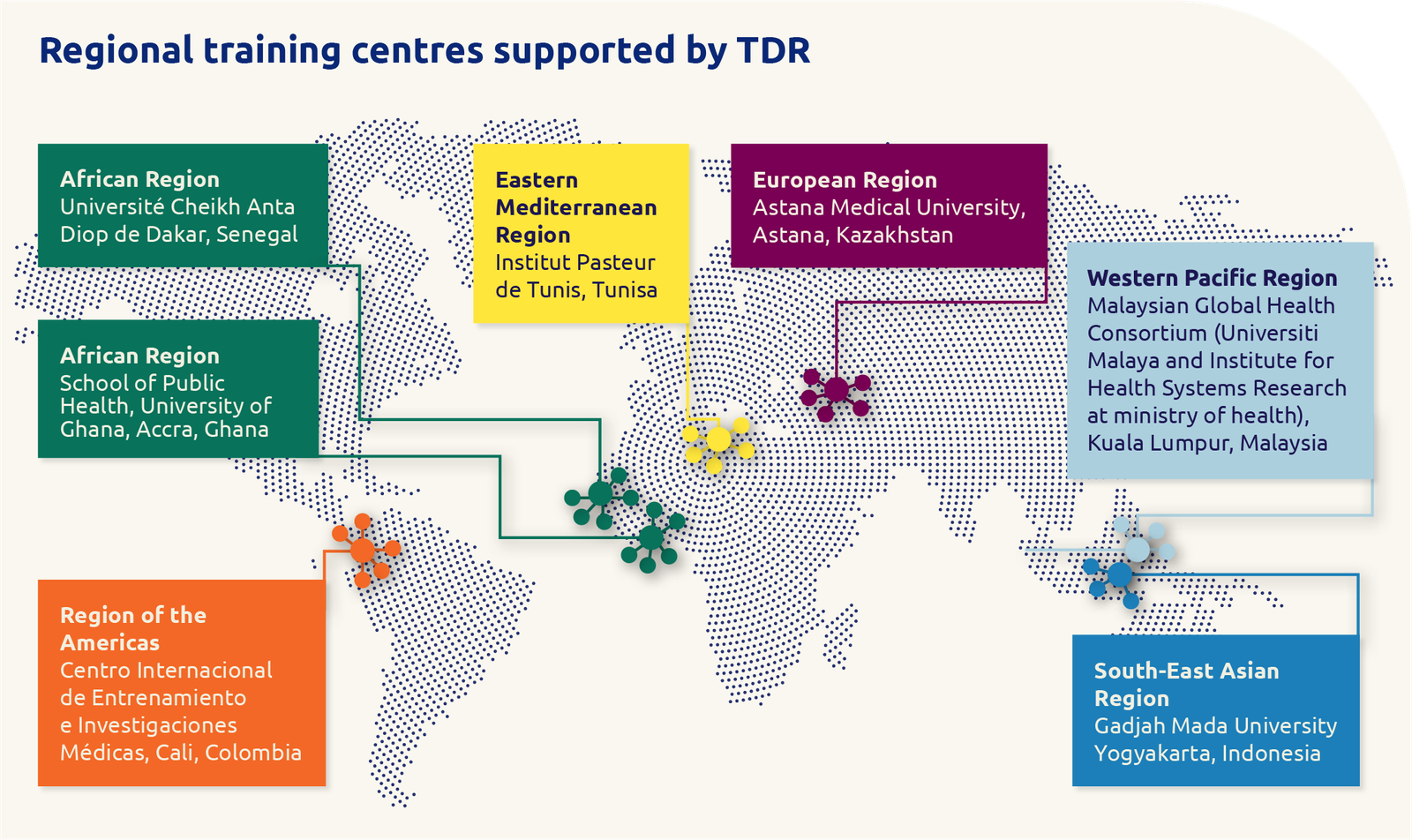
TDR-supported regional training centres (RTCs) managed nine sessions of the massive open online course on implementation research, delivered in Arabic, English, French, Russian and Spanish, to more than 7300 registered participants.
Highlight 4/5
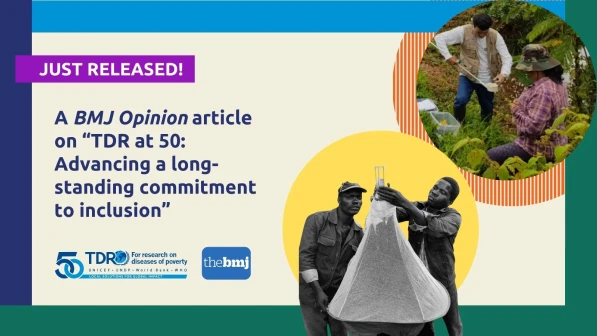
An opinion article published in the BMJ on the occasion of TDR’s 50th anniversary discussed the Programme’s commitment to and progress on advancing inclusive internationalism in health research.
Highlight 5/5
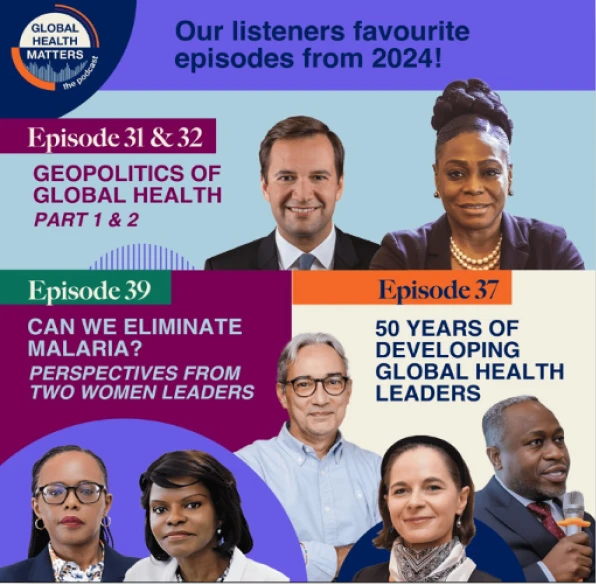
The Global Health Matters podcast, with 40 episodes produced as of December 2024, is reaching listeners in more than 180 countries.
Clockwise from top left: Ricardo Baptista Leite, Ayoade Alakija, Wilfried Mutombo, Yasmine Belkaid, John Reeder, Francine Ntoumi and Corine Karema.
All photos courtesy of guests except for John Reeder (Credit: TDR/Antoine Tardy)
TDR
World Health Organization
20 Avenue Appia
1211 Geneva 27
Switzerland
tdr@who.int
Visit our website: tdr.who.int
ISBN 978-92-4-010930-8 (electronic version)
ISBN 978-92-4-010931-5 (print version)
Some rights reserved. This work is available under the Creative Commons Attribution-NonCommercial-ShareAlike 3.0 IGO licence (CC BY-NC-SA 3.0 IGO; https://creativecommons.org/licenses/by-nc-sa/3.0/igo).
Under the terms of this licence, you may copy, redistribute and adapt the work for non-commercial purposes, provided the work is appropriately cited, as indicated below. In any use of this work, there should be no suggestion that the World Health Organization (WHO), including the UNICEF/UNDP/World Bank/WHO Special Programme for Research and Training in Tropical Diseases (TDR), endorses any specific organization, products or services. The use of WHO and TDR logos is not permitted. If you adapt the work, then you must license your work under the same or equivalent Creative Commons licence. If you create a translation of this work, you should add the following disclaimer along with the suggested citation: “This translation was not created by the World Health Organization (WHO) or by the UNICEF/UNDP/World Bank/WHO Special Programme for Research and Training in Tropical Diseases (TDR). WHO, including TDR is not responsible for the content or accuracy of this translation. The original English edition shall be the binding and authentic edition”.
Any mediation relating to disputes arising under the licence shall be conducted in accordance with the mediation rules of the World Intellectual Property Organization.
Suggested citation. TDR annual report 2024: building local research solutions to improve global health. Geneva: World Health Organization; 2025. Licence: CC BY-NC-SA 3.0 IGO.
Cataloguing-in-Publication (CIP) data. CIP data are available at https://iris.who.int/.
Sales, rights and licensing. To purchase WHO publications, see https://www.who.int/publications/book-orders. To submit requests for commercial use and queries on rights and licensing, see http://www.who.int/copyright.
Third-party materials. If you wish to reuse material from this work that is attributed to a third party, such as tables, figures or images, it is your responsibility to determine whether permission is needed for that reuse and to obtain permission from the copyright holder. The risk of claims resulting from infringement of any third-party- owned component in the work rests solely with the user.
General disclaimers. The designations employed and the presentation of the material in this publication do not imply the expression of any opinion whatsoever on the part of WHO, including TDR, concerning the legal status of any country, territory, city or area or of its authorities, or concerning the delimitation of its frontiers or boundaries. Dotted and dashed lines on maps represent approximate border lines for which there may not yet be full agreement.
The mention of specific companies or of certain manufacturers’ products does not imply that they are endorsed or recommended by WHO, including TDR, in preference to others of a similar nature that are not mentioned. Errors and omissions excepted, the names of proprietary products are distinguished by initial capital letters.
All reasonable precautions have been taken by WHO, including TDR, to verify the information contained in this publication. However, the published material is being distributed without warranty of any kind, either expressed or implied. The responsibility for the interpretation and use of the material lies with the reader. In no event shall WHO, including TDR, be liable for damages arising from its use.
Cover page photo. ©
Cover caption: Angel Michael (centre) delivers her child’s urine and stool sample to Ngw’ashi Dotto Haga (left), a community health care worker, as part of the baseline parasitological assessment study.
Credit: UNDP/Kumi Media