Addressing global health challenges

2. Climate change’s impact on health

Climate change and loss of biodiversity affect the epidemiology of infectious diseases – altering drivers of disease, risks to populations and the effectiveness of control programmes. TDR supports research through a One Health approach to better understand these changes and inform adaptation strategies.

Objective
To support research to understand and mitigate the impact of climate change on health, while recognizing the interconnection between human, animal and environmental health.

Disease focus
Climate-sensitive and vector-borne diseases such as dengue, Zika, Chikungunya, yellow fever, meningitis and cholera.

Key activities

  • Supporting research teams implementing a One Health approach to vector-borne diseases in the context of climate change in Africa. 
  • Establishing and strengthening the capacity of control programmes to use the Early Warning and Response System for climate-sensitive diseases in collaboration with WHO’s Climate Change and Health unit.
  • Supporting researchers, health professionals and other stakeholders to expand their capacity to conduct and manage implementation research to mitigate the impact of climate change on health and apply a One Health perspective.
2024 updates

  • The Early Warning and Response System for climate-sensitive diseases (EWARS-csd) is being piloted in three additional countries in West Africa (Burkina Faso, Nigeria and Senegal). Other countries implementing EWARS-csd include Bangladesh, Cambodia, Colombia, Dominican Republic, Ethiopia, India, Lao People’s Democratic Republic, Malawi, Malaysia, Mexico, Mozambique, Myanmar, Nepal, Oman, Timor-Leste and Thailand.
  • A research team from India conducted a literature review exploring how gender and climate change influence infectious disease dynamics among marginalized populations in LMICs. A South African research team conducted a literature review on the intersection of gender and other sociocultural determinants of health and antimicrobial resistance in a changing climate. This work includes mapping the state of the art in this area and identifying evidence gaps that will inform TDR’s work in the future.
  • The Impact Grants initiative is supporting research teams in Cameroon, Vanuatu, Viet Nam and Zambia that are piloting smart phone applications to track outbreaks and provide alerts to citizens in rural communities.
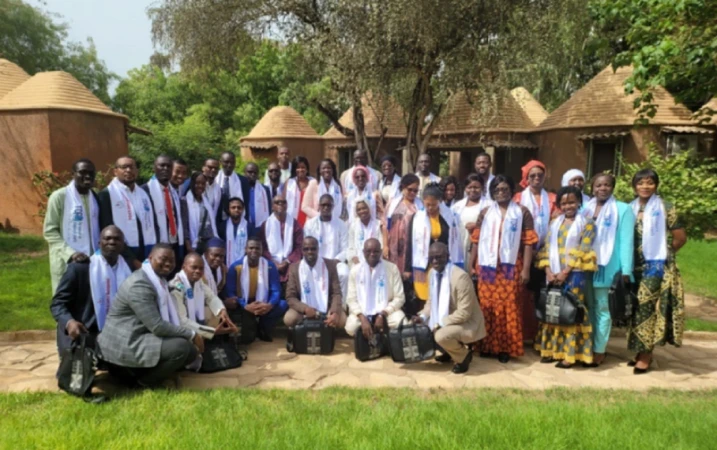
A group of students at Université Cheikh Anta Diop in Senegal posing outdoors, wearing scarves with the TDR logo

Current Master’s of Public Health students at Senegal’s Université Cheikh Anta Diop, supported by TDR, at an implementation research workshop earlier this year.

Credit: Université Cheikh Anta Diop

  • As part of the 18th International course on dengue and other emerging arboviruses in Havana, Cuba, TDR supported a scientific meeting where the impact of climate change on the efficiency of vector control strategies was discussed.

Relevant training activities 

  • TDR’s postgraduate training scheme, in collaboration with eight universities in LMICs, focuses on building capacity on implementation research on major global health challenges, including climate change’s impact on health.
  • TDR-supported regional training centres (RTCs) trained individuals on implementation research to mitigate the impact of climate change on health and apply a One Health approach.

RTCs trained
more than

7000

individuals online

345

individuals in-person

Spotlight

Enhancing One Health surveillance and control of vector-borne diseases related to climate change in the West Africa region

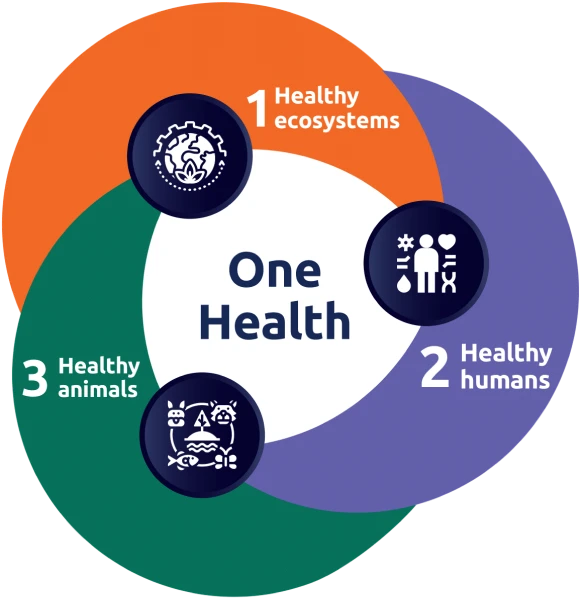
Vector-borne diseases (VBDs) such as dengue, yellow fever and Rift Valley fever have long troubled Africa, with outbreaks becoming more frequent due to climate change. TDR is supporting research led by the Institut Pasteur de Dakar (IPD) in Senegal and the Nigerian Institute of Medical Research (NIMR) to enhance the surveillance and control of VBDs using a One Health approach, which integrates human, animal and environmental health.

A Venn diagram showing the One Health concept, linking healthy ecosystems, healthy humans, and healthy animals

Credit: TDR/A. Gildas Yahouedo

Spotlight

Enhancing One Health surveillance and control of vector-borne diseases related to climate change in the West Africa region

Vector-borne diseases (VBDs) such as dengue, yellow fever and Rift Valley fever have long troubled Africa, with outbreaks becoming more frequent due to climate change. TDR is supporting research led by the Institut Pasteur de Dakar (IPD) in Senegal and the Nigerian Institute of Medical Research (NIMR) to enhance the surveillance and control of VBDs using a One Health approach, which integrates human, animal and environmental health.


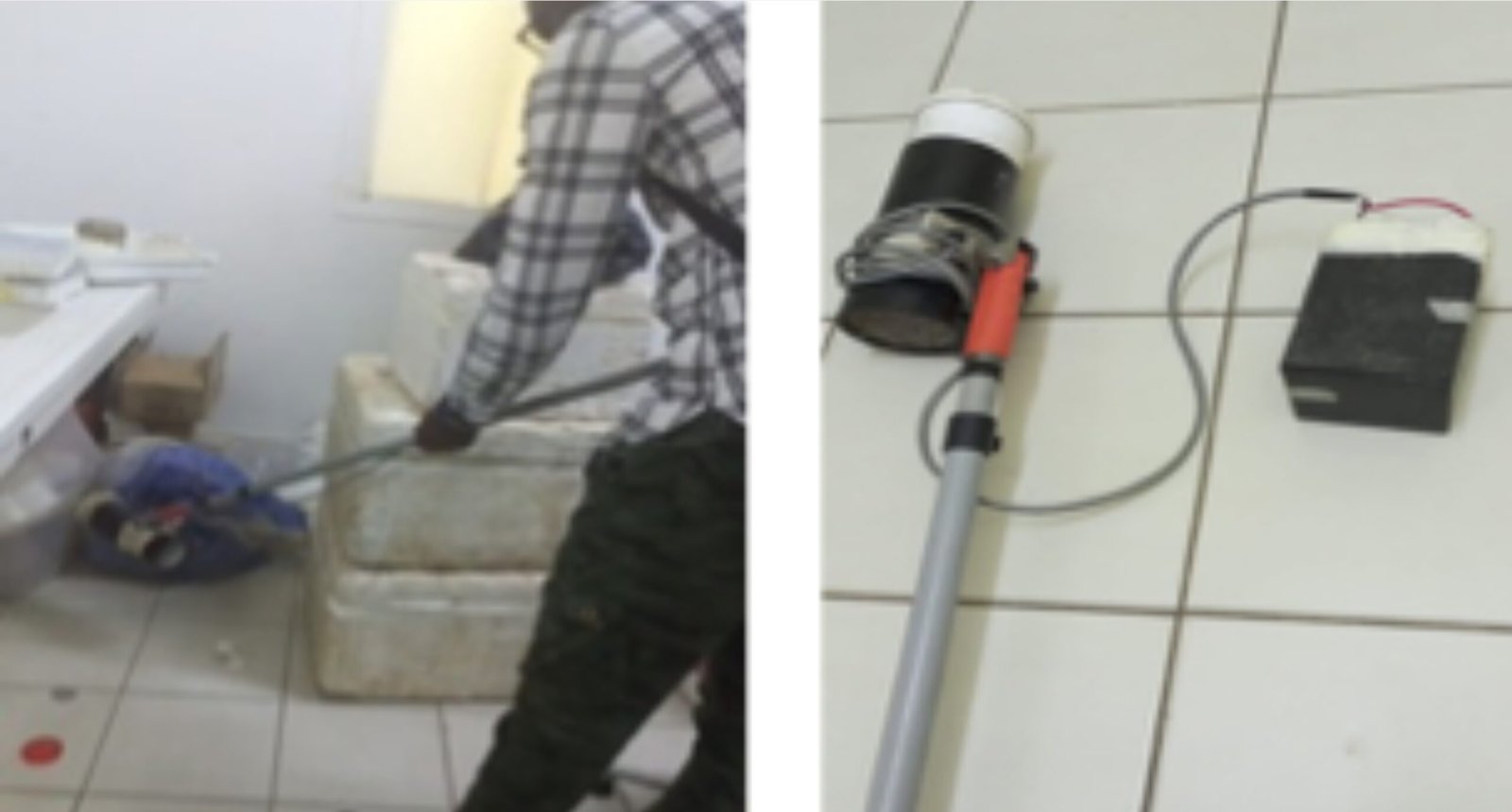
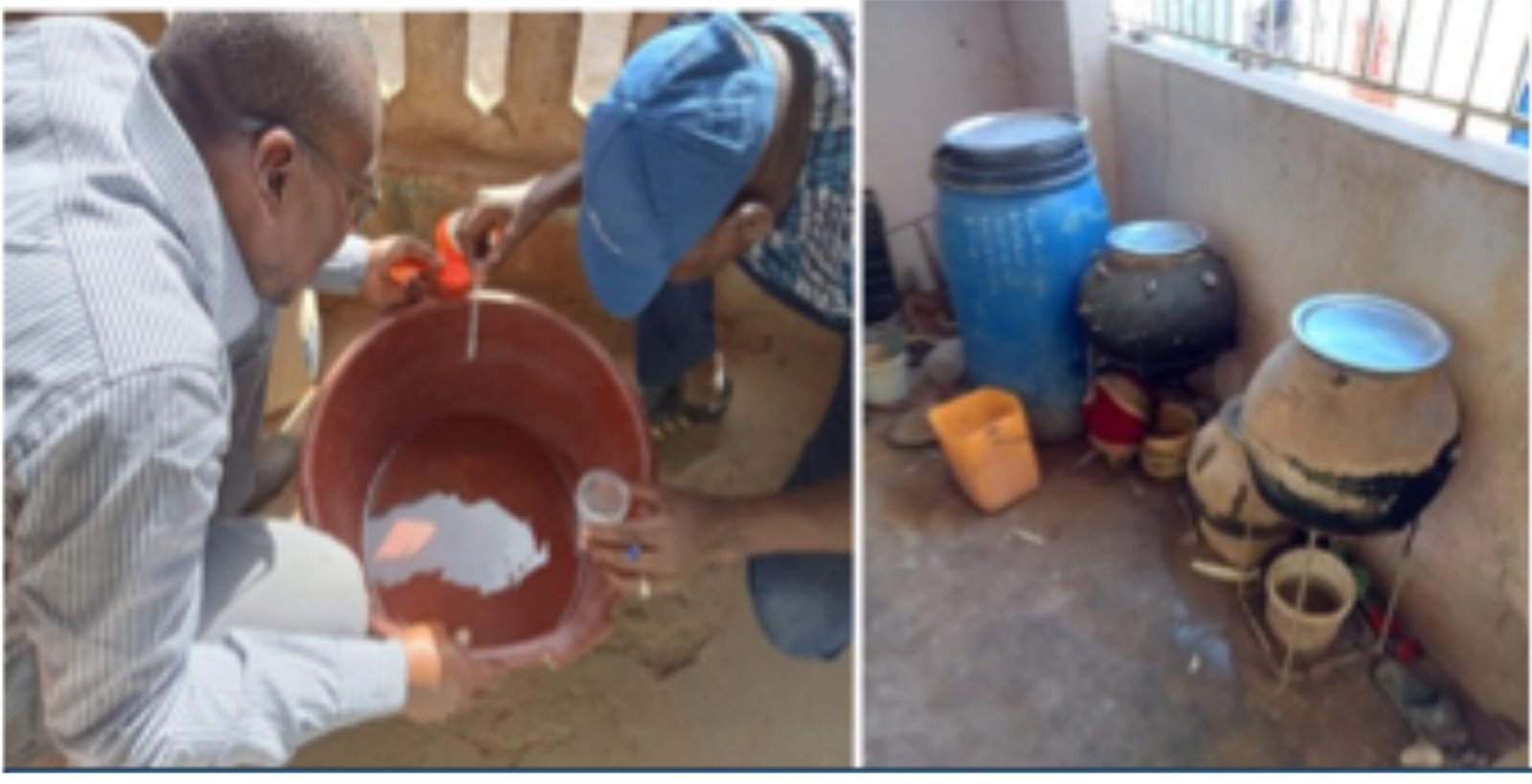
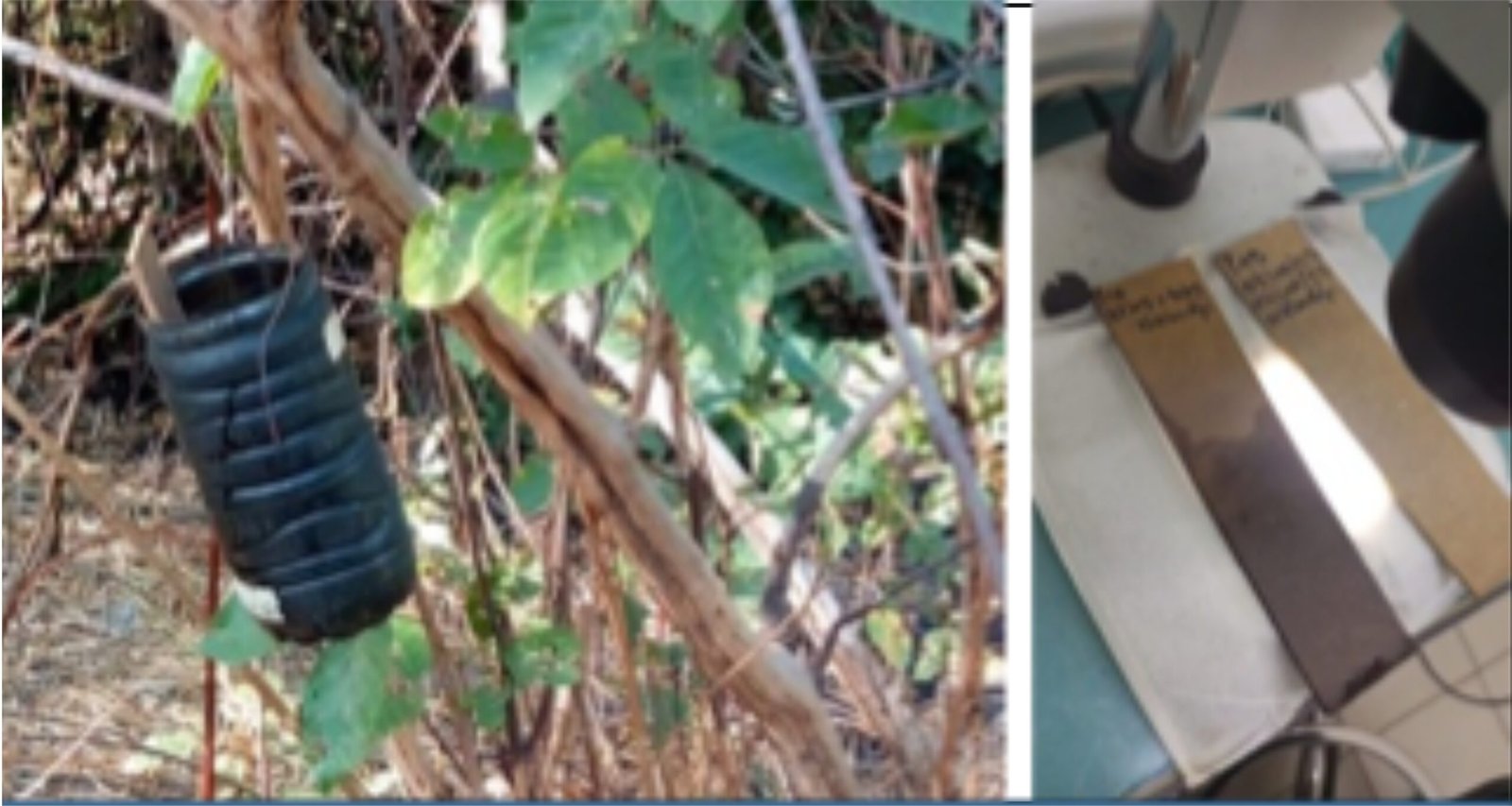
This study aims to determine the effects of climate change on VBD emergence, outbreaks and spread in Senegal and Nigeria. Researchers are using virological, entomological, meteorological and vector-borne surveillance data to develop a strategic process for prevention, preparedness and mitigation responses to climate-linked VBD threats.

In Senegal, a study has found that northern and central regions have the highest dengue risk levels across 14 regions, underscoring the impact of climate change on dengue risk. A second study is evaluating the transmission of malaria, meningitis, dengue and Rift Valley fever. The goal is to enhance institutional capacity for integrating climate-related risks into public health strategies.


In Nigeria, 44.2% of individuals in a study in Oyo State tested positive for dengue virus antibodies, even though the virus was not detected in RNA samples from patients with fever. The findings suggest the need for better diagnosis of dengue as well as improved surveillance capacities.


Read about other related research projects in Kenya, Rwanda, South Africa, Uganda and United Republic of Tanzania here.

A Venn diagram showing the One Health concept, linking healthy ecosystems, healthy humans, and healthy animals