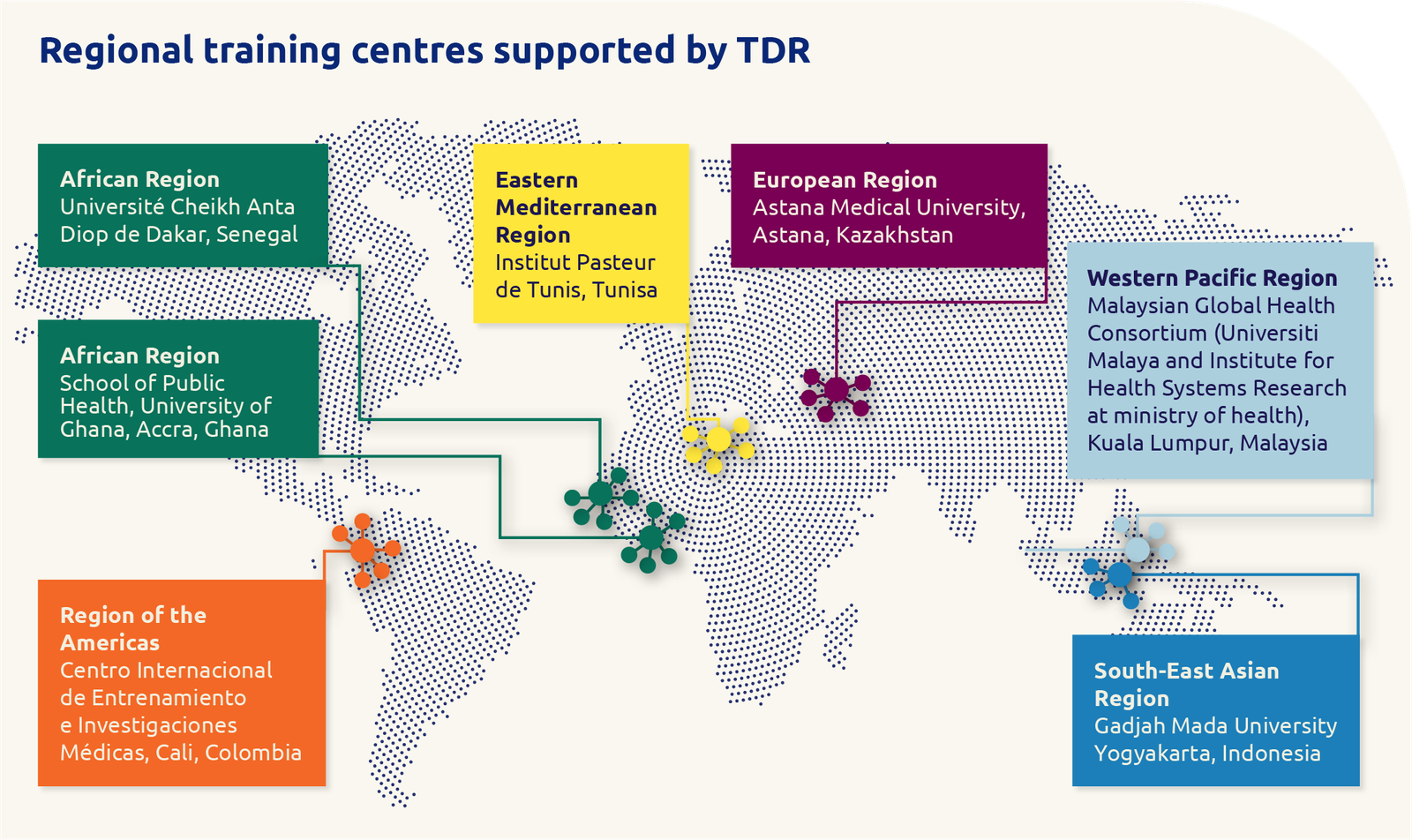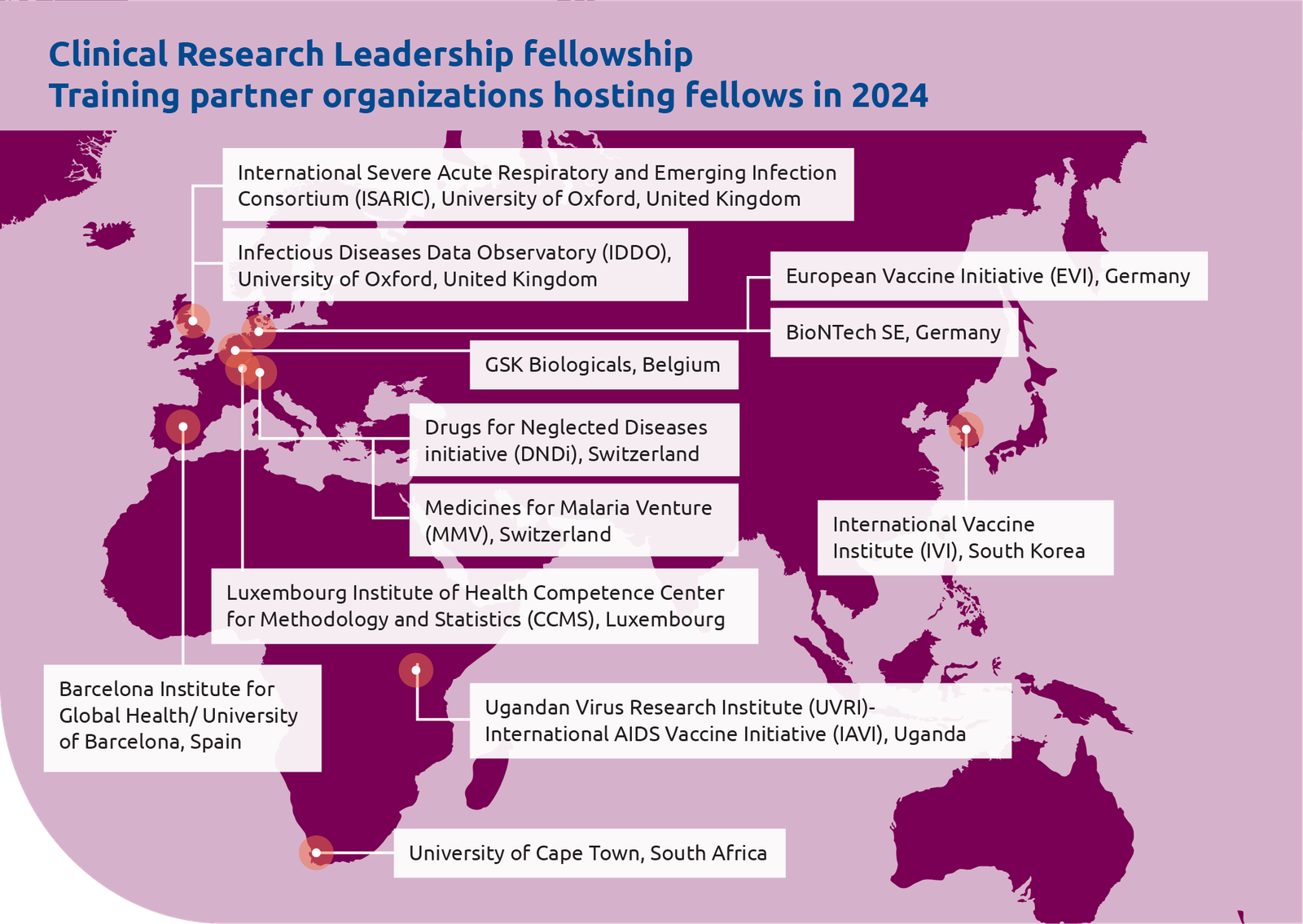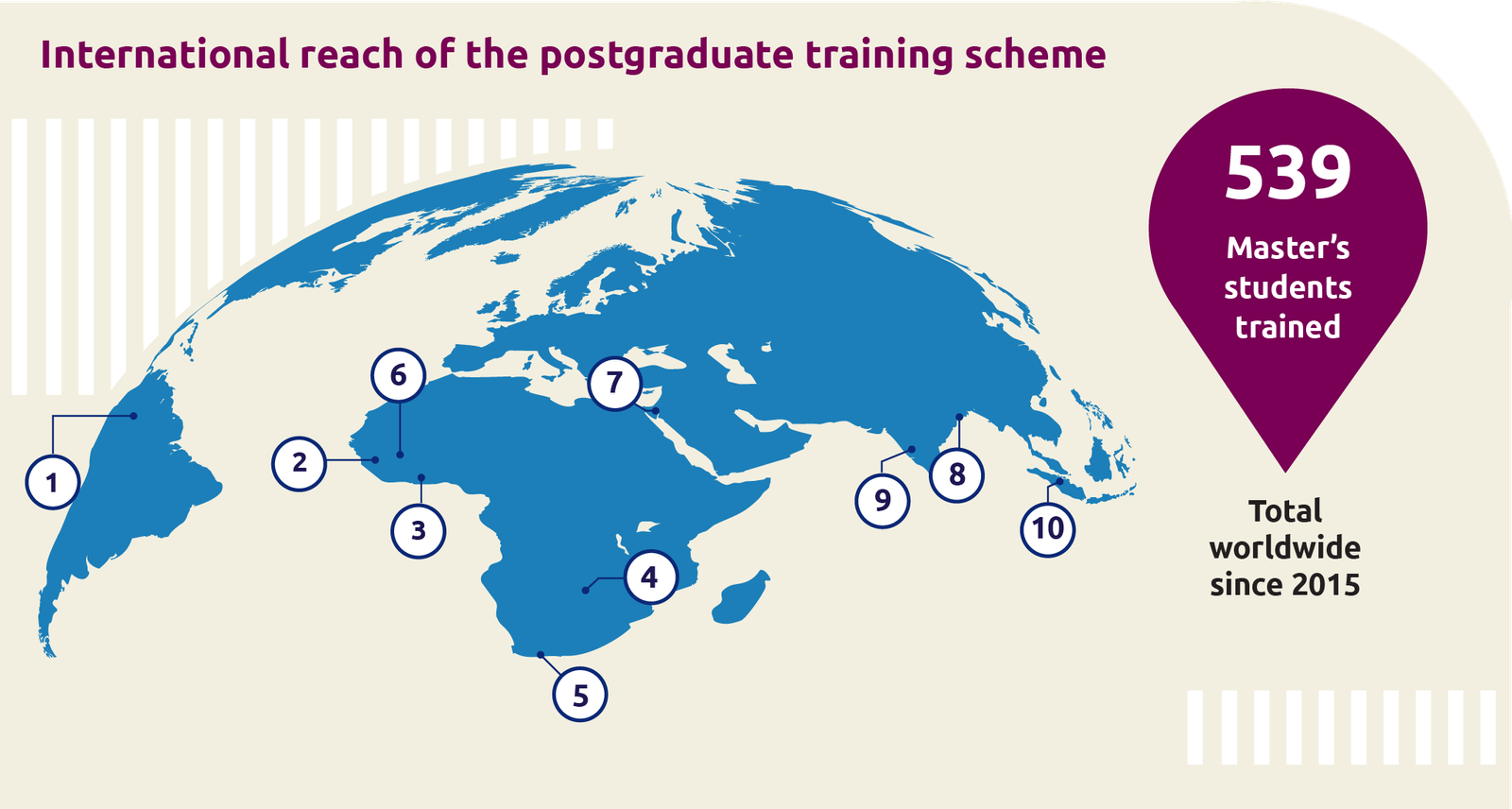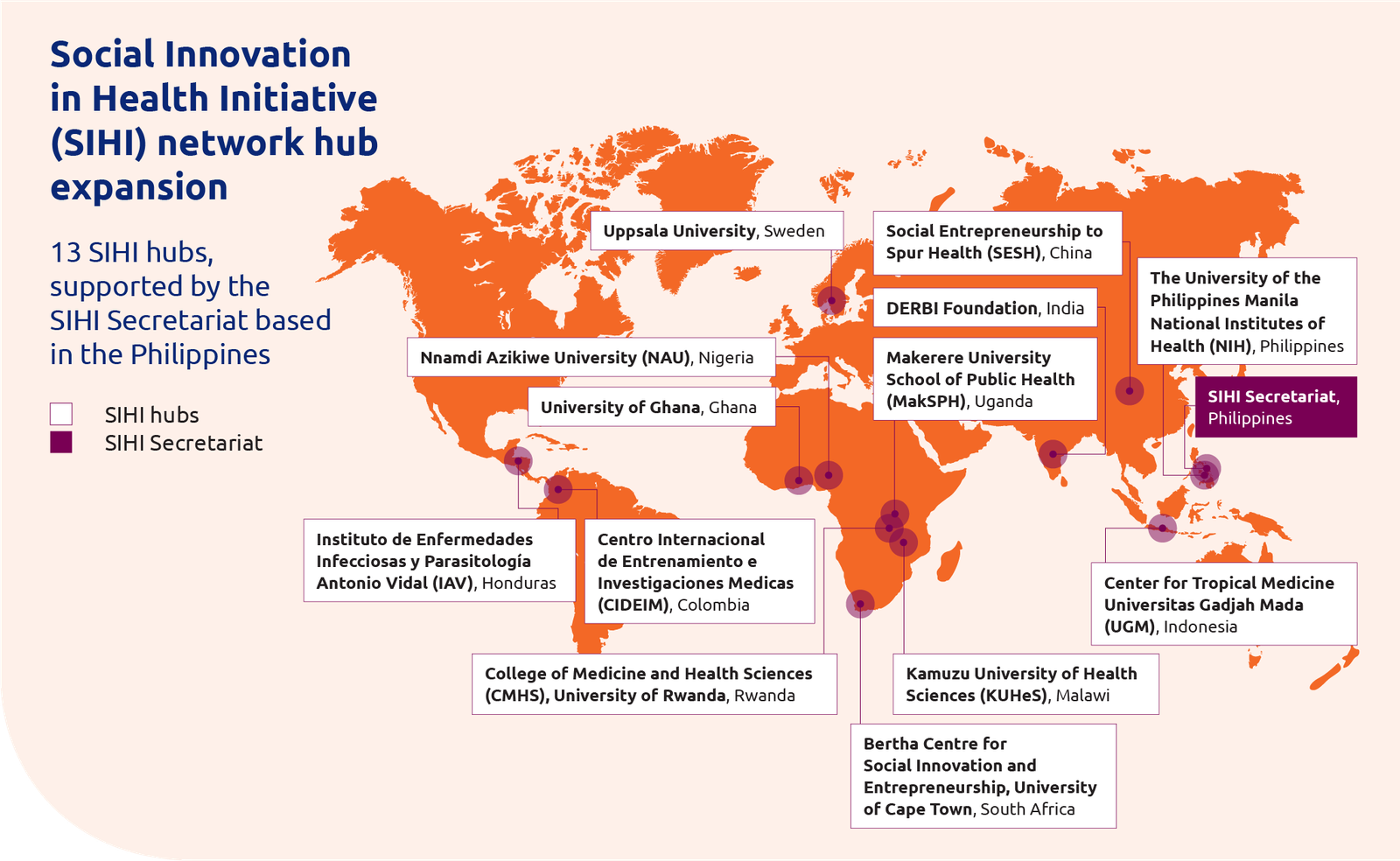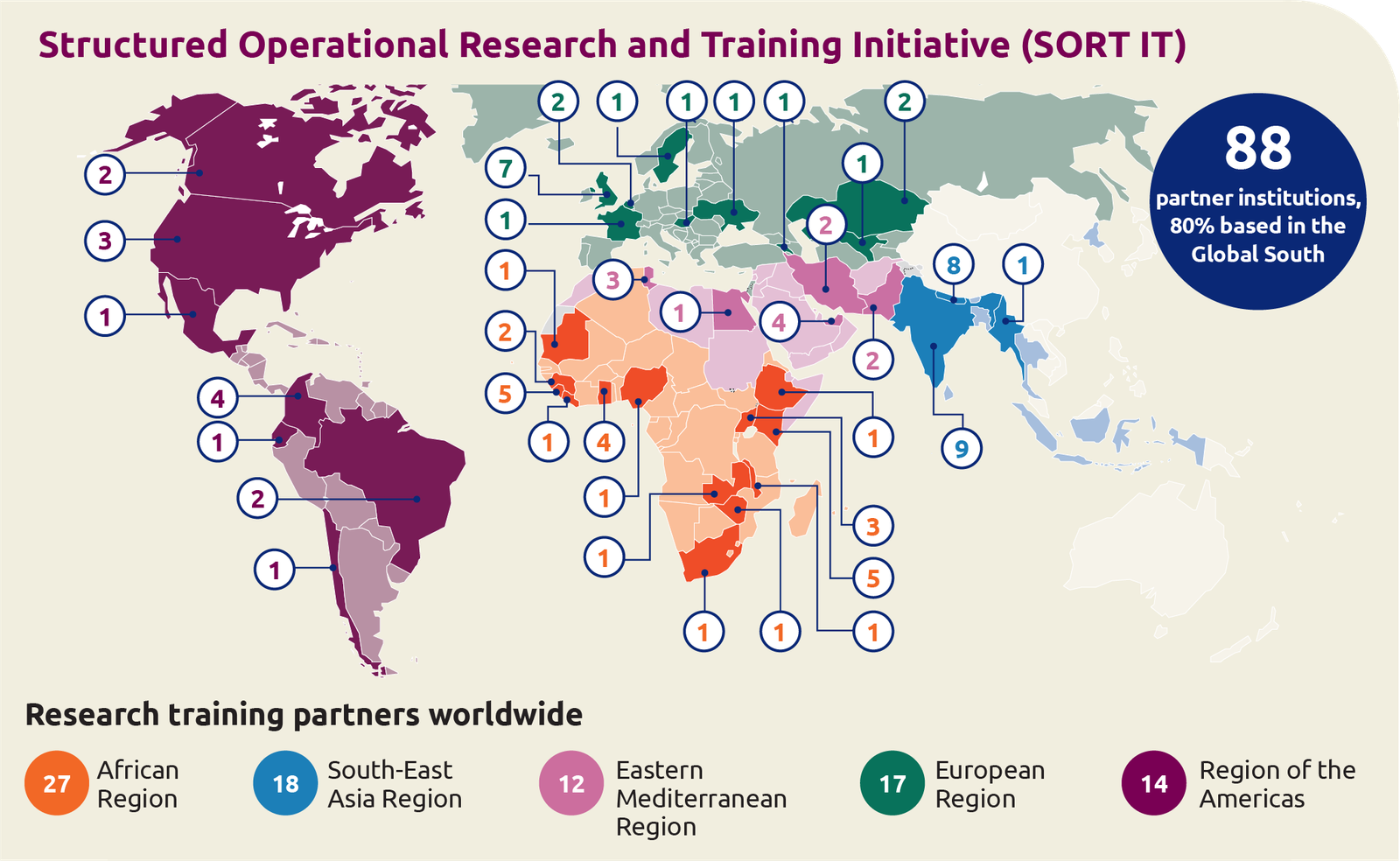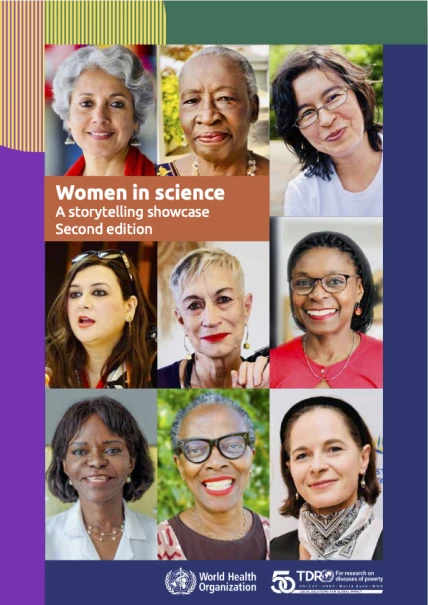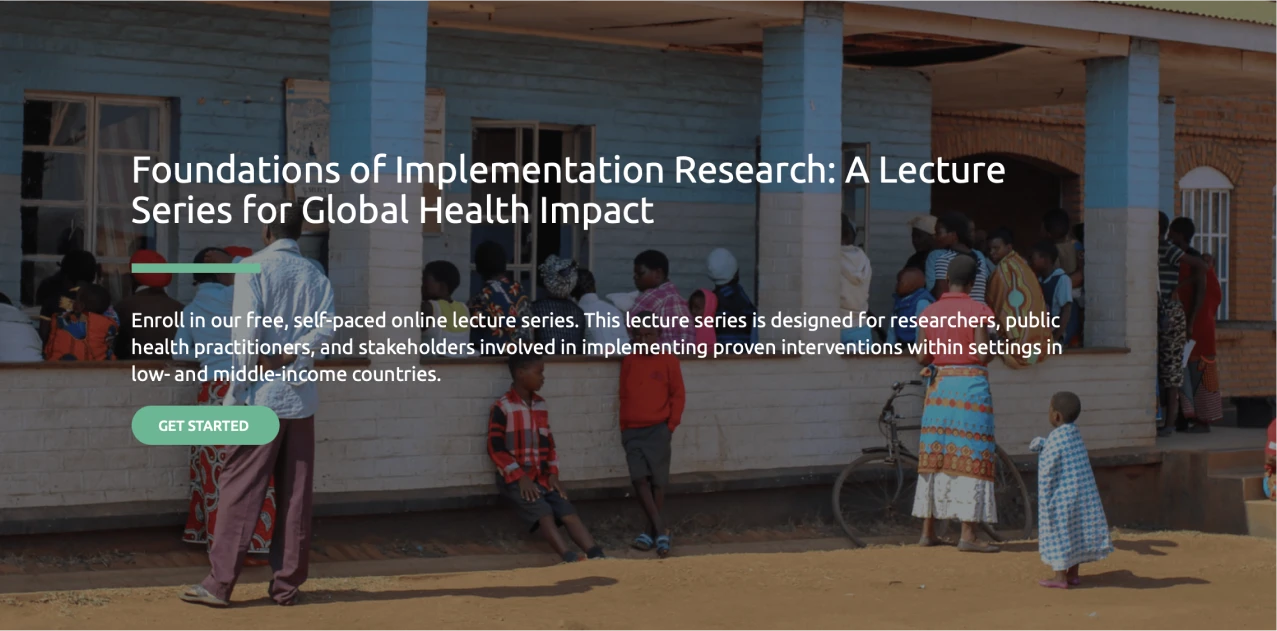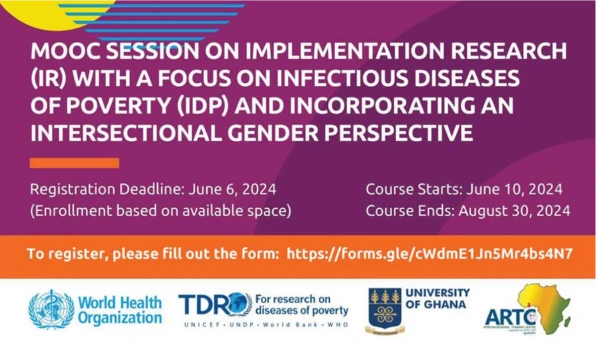
TDR continues to respond to growing demand for implementation research capacity, in collaboration with partners in LMICs. Training activities target not only individual academics but also communities, programme implementers, decision-makers and institutions, thereby democratizing the research process. We are also providing strategic and catalytic support to develop research leadership in LMICs, within the fields of clinical and implementation research, and strengthening equity and inclusivity in research mentorship programmes.
Objectives
Target audience
Researchers; frontline workers in health, environment and agriculture; policy-makers; communities;
social innovators.

Key activities
Developing health research leadership in LMICs:
Developing and offering research training courses:
Building capacities to conduct implementation research that includes an intersectional gender lens on infectious diseases:
Strengthening research capacity outside academia in communities:
Fostering the mentorship of young scientists:
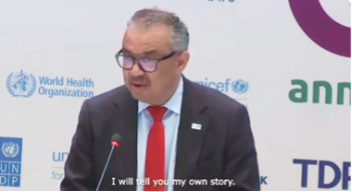
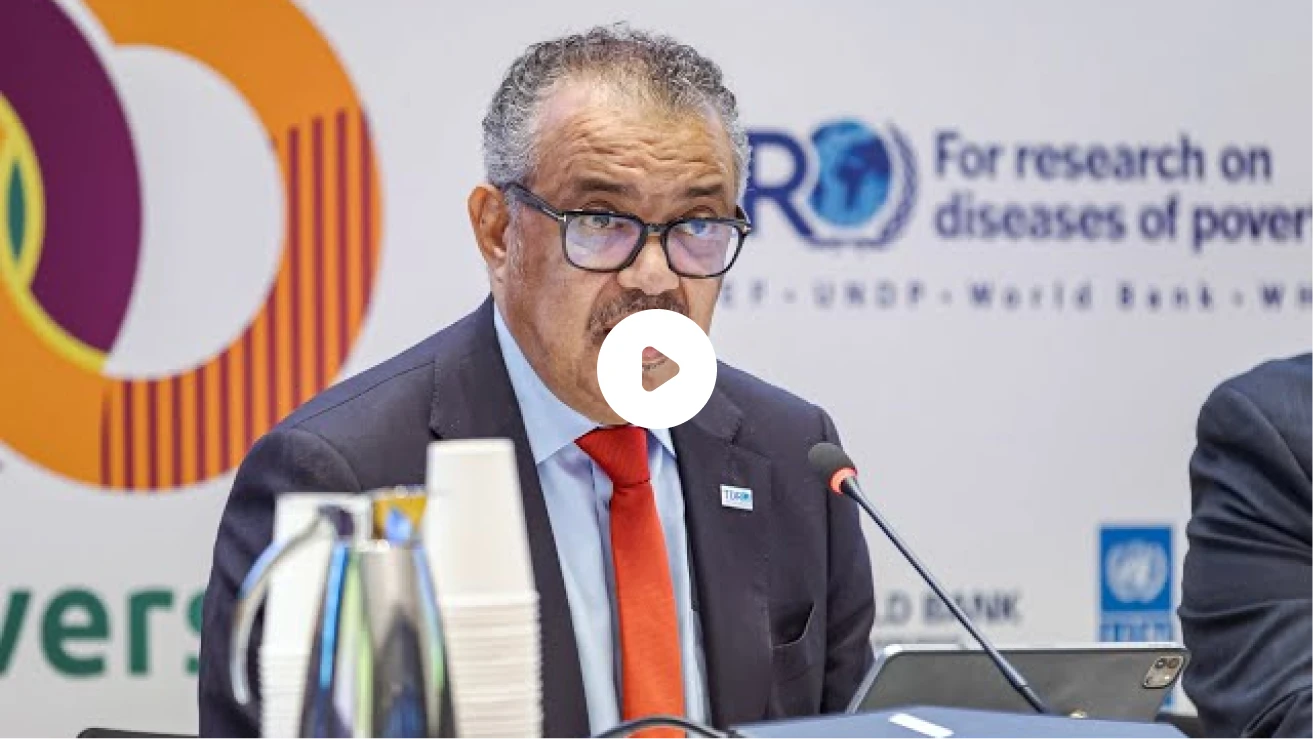
Video excerpt: Dr Tedros speaks about the role of TDR in shaping his career.
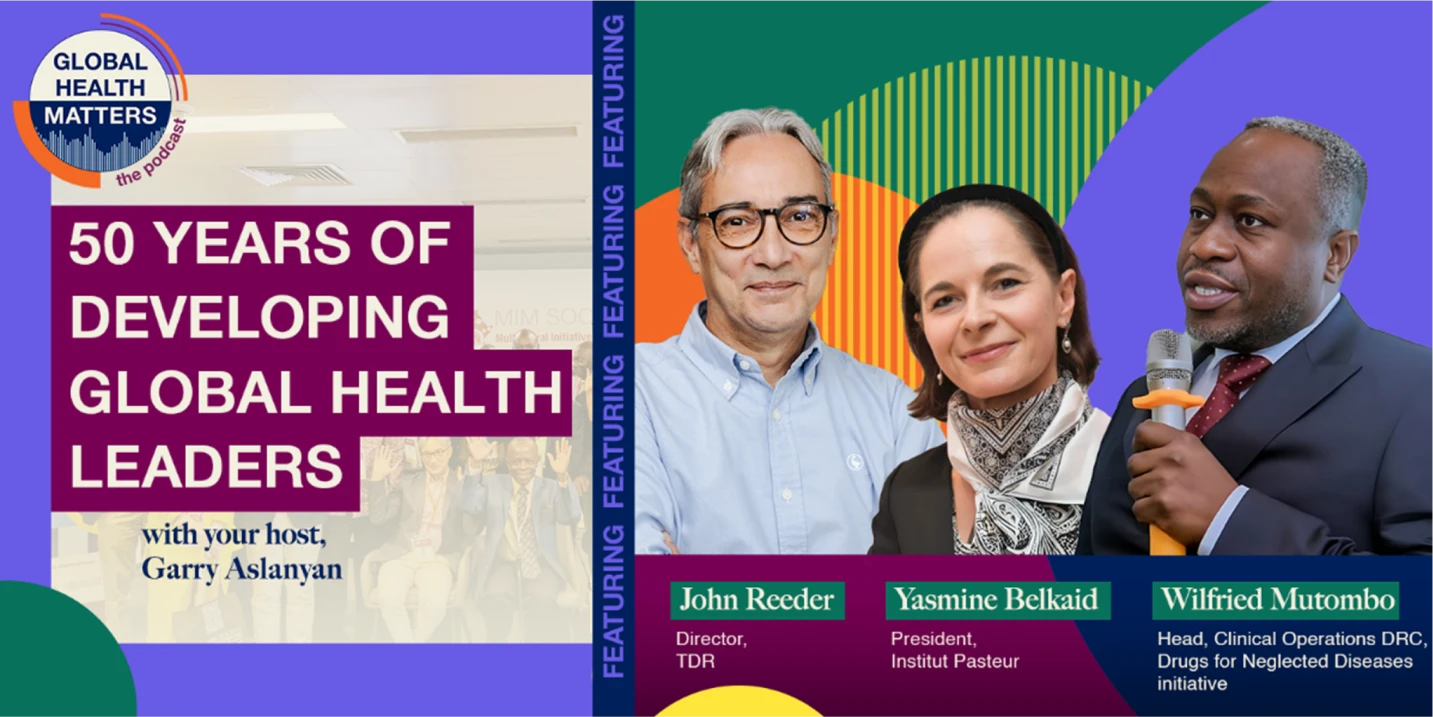
From left to right: John Reeder, Yasmine Belkaid, Wilfried Mutombo.
Credits: TDR/Niels Ackermann for John Reeder; other photos courtesy of Yasmine Belkaid and Wilfried Mutombo
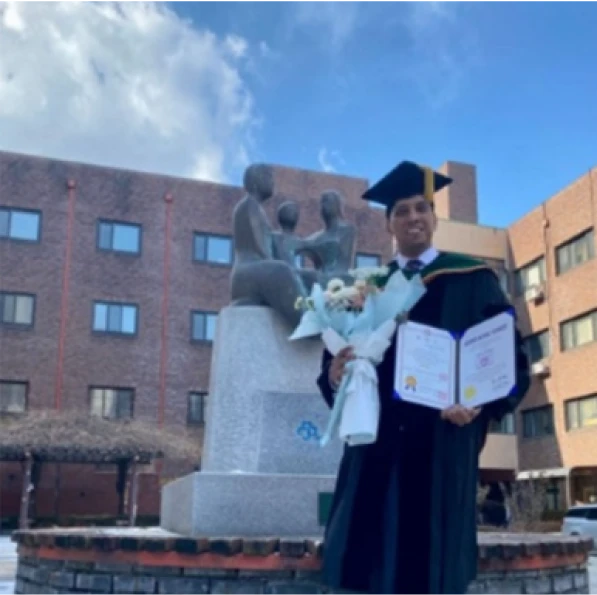
The graduation of Tilak Chandra Nath.
Photo courtesy of Tilak Chandra Nath
TDR
World Health Organization
20 Avenue Appia
1211 Geneva 27
Switzerland
tdr@who.int
Visit our website: tdr.who.int
ISBN 978-92-4-010930-8 (electronic version)
ISBN 978-92-4-010931-5 (print version)
Some rights reserved. This work is available under the Creative Commons Attribution-NonCommercial-ShareAlike 3.0 IGO licence (CC BY-NC-SA 3.0 IGO; https://creativecommons.org/licenses/by-nc-sa/3.0/igo).
Under the terms of this licence, you may copy, redistribute and adapt the work for non-commercial purposes, provided the work is appropriately cited, as indicated below. In any use of this work, there should be no suggestion that the World Health Organization (WHO), including the UNICEF/UNDP/World Bank/WHO Special Programme for Research and Training in Tropical Diseases (TDR), endorses any specific organization, products or services. The use of WHO and TDR logos is not permitted. If you adapt the work, then you must license your work under the same or equivalent Creative Commons licence. If you create a translation of this work, you should add the following disclaimer along with the suggested citation: “This translation was not created by the World Health Organization (WHO) or by the UNICEF/UNDP/World Bank/WHO Special Programme for Research and Training in Tropical Diseases (TDR). WHO, including TDR is not responsible for the content or accuracy of this translation. The original English edition shall be the binding and authentic edition”.
Any mediation relating to disputes arising under the licence shall be conducted in accordance with the mediation rules of the World Intellectual Property Organization.
Suggested citation. TDR annual report 2024: building local research solutions to improve global health. Geneva: World Health Organization; 2025. Licence: CC BY-NC-SA 3.0 IGO.
Cataloguing-in-Publication (CIP) data. CIP data are available at https://iris.who.int/.
Sales, rights and licensing. To purchase WHO publications, see https://www.who.int/publications/book-orders. To submit requests for commercial use and queries on rights and licensing, see http://www.who.int/copyright.
Third-party materials. If you wish to reuse material from this work that is attributed to a third party, such as tables, figures or images, it is your responsibility to determine whether permission is needed for that reuse and to obtain permission from the copyright holder. The risk of claims resulting from infringement of any third-party- owned component in the work rests solely with the user.
General disclaimers. The designations employed and the presentation of the material in this publication do not imply the expression of any opinion whatsoever on the part of WHO, including TDR, concerning the legal status of any country, territory, city or area or of its authorities, or concerning the delimitation of its frontiers or boundaries. Dotted and dashed lines on maps represent approximate border lines for which there may not yet be full agreement.
The mention of specific companies or of certain manufacturers’ products does not imply that they are endorsed or recommended by WHO, including TDR, in preference to others of a similar nature that are not mentioned. Errors and omissions excepted, the names of proprietary products are distinguished by initial capital letters.
All reasonable precautions have been taken by WHO, including TDR, to verify the information contained in this publication. However, the published material is being distributed without warranty of any kind, either expressed or implied. The responsibility for the interpretation and use of the material lies with the reader. In no event shall WHO, including TDR, be liable for damages arising from its use.
Cover page photo. ©
Cover caption: Angel Michael (centre) delivers her child’s urine and stool sample to Ngw’ashi Dotto Haga (left), a community health care worker, as part of the baseline parasitological assessment study.
Credit: UNDP/Kumi Media
“In many ways, TDR’s support started me on a career that has led me to where I am,” WHO Director-General Dr Tedros Ghebreyesus said in his opening remarks to TDR’s Joint Coordinating Board on 12 June 2024. “And I know I’m not the only one. TDR has played an influential role in building research leadership across the world.”
Video excerpt: Dr Tedros speaks about the role of TDR in shaping his career.
Dr Tedros was among more than 80 donors, partners and other champions who gathered to celebrate the impact TDR has made over the last 50 years to change the course of infectious diseases that disproportionately affect the poor. The event followed other anniversary events, including at the Multilateral Initiative on Malaria meeting in Rwanda and also during the World Health Assembly.
“In an increasingly polarized world, research and evidence-informed decisions are more important than ever,” said Ms Kerstin Jonsson Cissé, then Head of the Research Cooperation Unit at the Swedish International Development Cooperation Agency. “TDR is doing tremendous work, and its impact is clear across the world. We, Sweden, are proud to have partnered with TDR since the very early days, and we hope to continue our engagement for many years to come.”
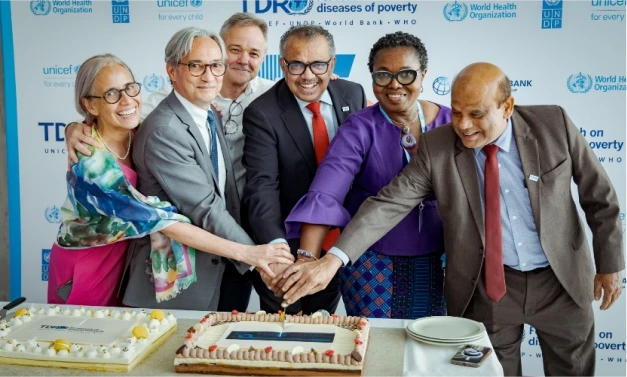
From left to right: Dr Iris Cazali, Dr John Reeder, Dr Jeremy Farrar, Dr Tedros Ghebreyesus, Professor Margaret Gyapong and Dr Sunil De Alwis.
Credit: TDR/Antoine Tardy
Professor Gordon Awandare, Founding Director of the West African Center for Cell Biology of Infectious Pathogens at the University of Ghana, spoke about how support from TDR early in his career has allowed him to give back as a research leader.
Looking ahead, several partners voiced support for the new TDR Strategy 2024-2029. “We are one of the excited partners about the new Strategy that has been launched” and its focus on “strengthening local science and local evidence generation,” said Mr Benjamin Schreiber, Associate Director of Partnerships at UNICEF. “What it means for UNICEF is that TDR helps us to lower the costs of doing research. TDR ensures that the research being done is of much better quality. TDR enables us and other partners to be faster in doing this because we have local capacity that’s there. TDR enables all this research to be used in a bigger context than if any of the partners would do it alone.”
Growing up in Bangladesh where several infectious diseases transmitted by helminths (worms) take a large health toll, Tilak Chandra Nath has always been fascinated with the challenges of addressing diseases of poverty.
During his postgraduate training as a TDR-supported fellow at the Universitas Gadjah Mada (UGM) in Indonesia in 2016, he studied parasitic diseases, focusing on helminths, and he is currently using his knowledge to advance a One Health approach to eliminating those diseases in his home country.
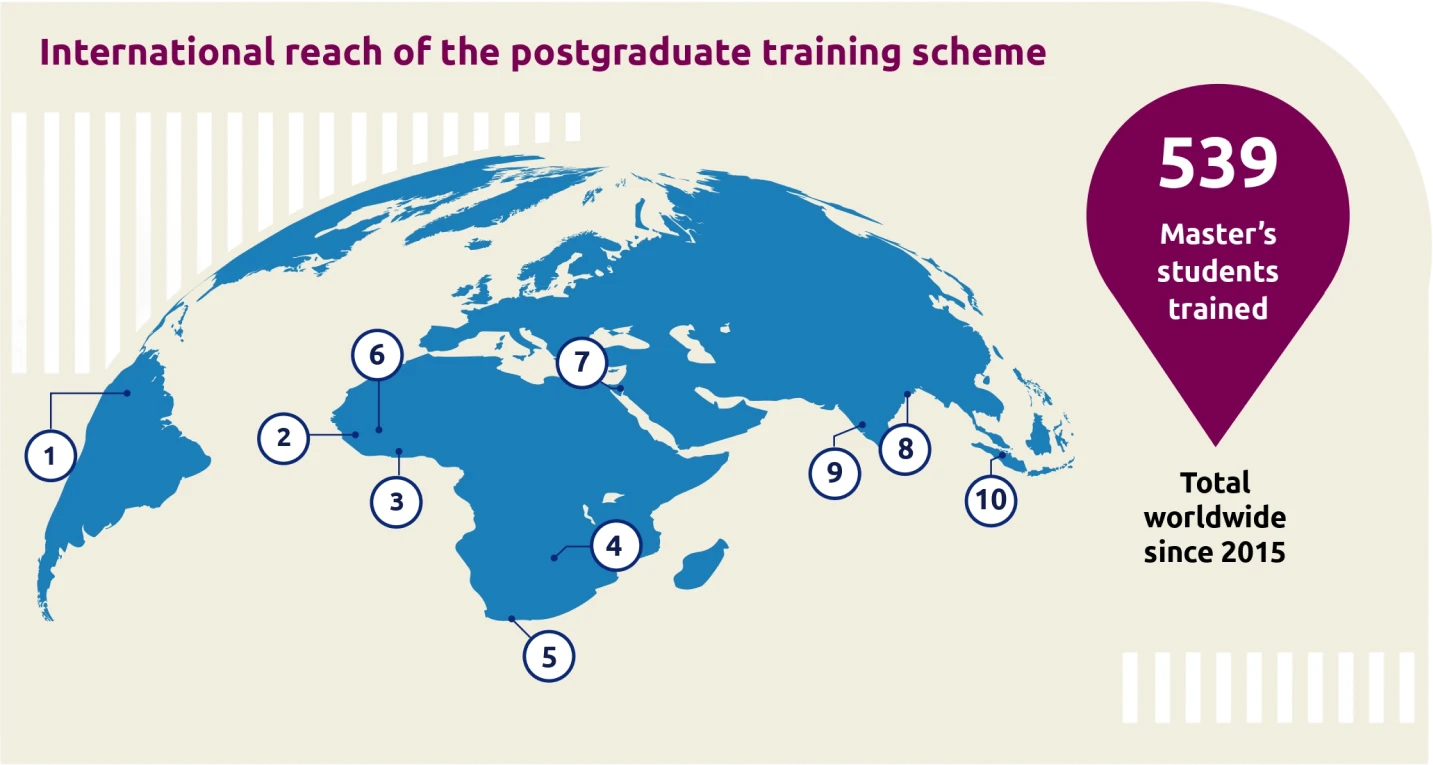
Nath was part of TDR’s global postgraduate training scheme, developed over the past eight years to boost the skills of future research leaders.
Photo courtesy of Tilak Chandra Nath
The initiative focuses on building students’ skills in implementation research, a fast-growing field that supports the identification of system bottlenecks to delivering health services and approaches to addressing them. It is particularly useful in LMICs where many health interventions do not reach those who need them the most.
Following his studies at UGM, Nath continued his research training, completing a PhD in Medicine from Chungbuk National University in South Korea in the area of One Health. He is now an Associate Professor in the Department of Parasitology at Sylhet Agricultural University in Bangladesh.
In a sense he has come full-circle, bringing knowledge amassed through years of study abroad back to his home country to ponder issues that he wondered about since his youth.
“I am now actively engaged with helminthiasis elimination and biobanking of parasites projects,” said Nath, who is currently also the Director of Bangladesh’s Parasite Resource Bank, where he is investigating the interactions between human, animal and environmental parasites through a One Health approach.
Read the full story here.